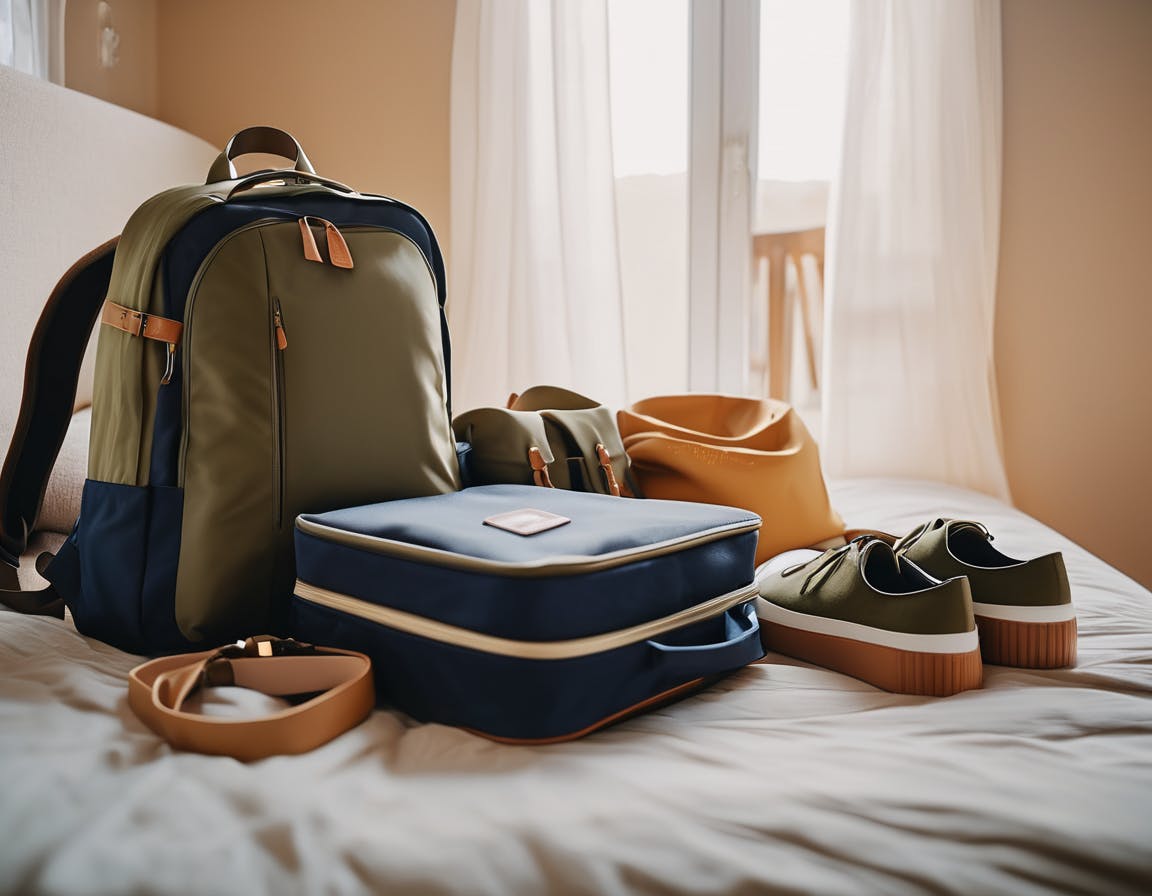
Mixed weather trips often create the same packing mistake. Travellers prepare for every possible temperature by adding more clothing to the bag.
The result is a carry-on that becomes heavy and difficult to manage before the journey has even begun.
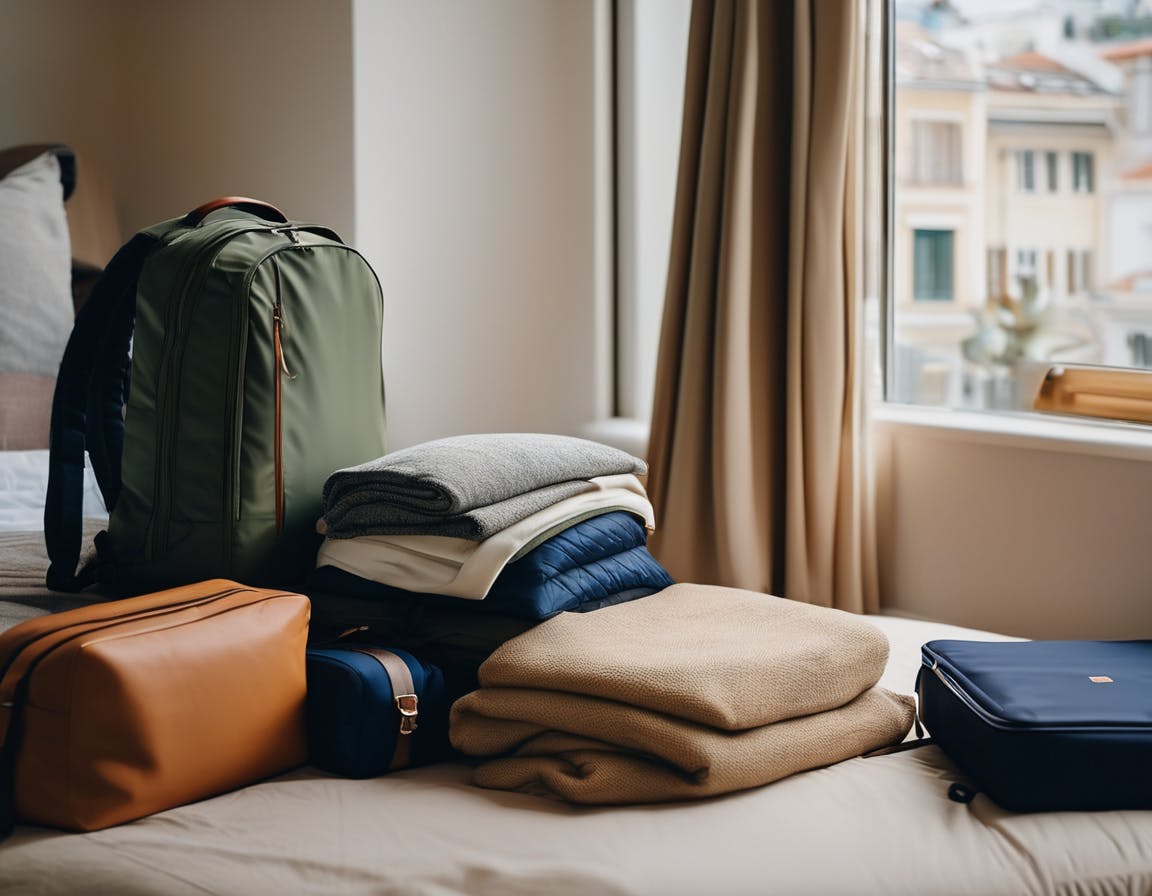
A better approach focuses on versatility rather than quantity. With the right clothing choices, a small collection of layers can handle several different weather conditions.
Start With Lightweight Base Layers
The foundation of a flexible packing system begins with lightweight clothing that works in multiple situations.
- Short-sleeve tops
- Lightweight long-sleeve shirts
- Comfortable trousers
- Travel-friendly fabrics that dry quickly
These items function well on their own in warm weather and can also support additional layers when temperatures drop.
Add One Warm Layer
Instead of packing several warm items, one carefully chosen layer often provides enough warmth for cooler evenings or windy conditions.
A lightweight sweater, fleece, or travel cardigan usually works well for this purpose.
When temperatures rise again, the layer can be removed easily without adding much bulk to the bag.
Include a Compact Weather Layer
Wind and rain appear frequently in many travel destinations, particularly in coastal regions.
A compact rain jacket or windbreaker provides protection without occupying much space inside the carry-on.
This type of jacket also pairs well with the layered clothing system.
Choose Clothing That Works Together
One helpful strategy is selecting clothing that combines easily into multiple outfits.
Neutral colours and simple designs allow several combinations using a small number of garments.
This reduces the number of items required for the trip while still allowing variety.
Use Packing Cubes to Maintain Structure
Layered clothing systems work best when items remain organised inside the carry-on.
Packing cubes separate clothing categories so that shirts, trousers, and outer layers remain easy to locate.
This prevents the bag from becoming disorganised after the first few days of travel.
Wear the Bulkiest Layer During the Flight
One of the simplest packing strategies is wearing the largest clothing item during travel days.
A sweater or light jacket worn on the plane frees valuable space inside the carry-on bag.
If the cabin becomes warm, the layer can simply be folded and placed nearby.
Preparation Reduces Packing Stress
Mixed weather trips often seem difficult to prepare for, yet a structured layering system keeps packing surprisingly simple.
A few versatile items, combined thoughtfully, can handle a wide range of conditions without overloading your carry-on.