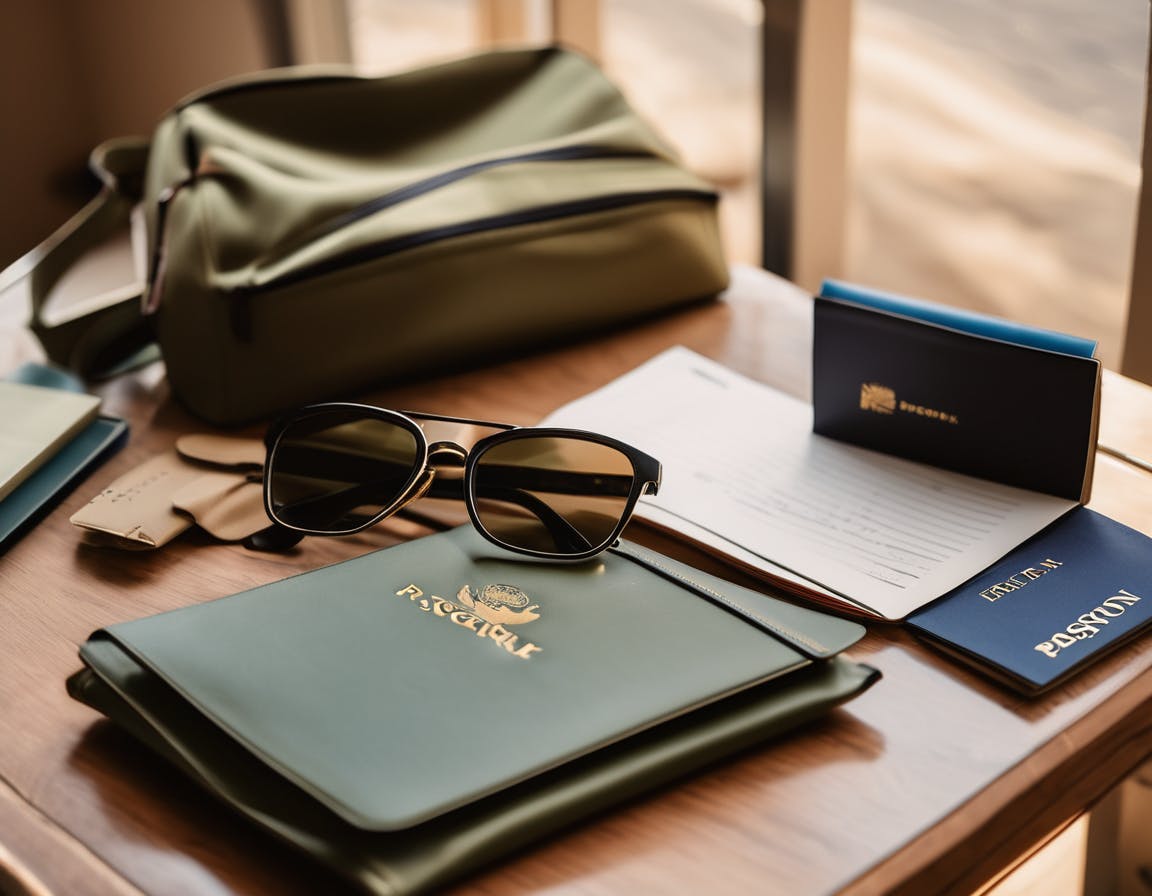
Many travellers focus entirely on their carry-on bag and treat the personal item as an afterthought. A handbag, small backpack, or tote simply receives the items that did not fit elsewhere.
This approach often leads to disorganised travel days. Important items end up scattered between two bags, and the traveller spends unnecessary time searching for things that should be easy to reach.
A more deliberate system solves this. When the carry-on and personal item each serve a clear purpose, travel becomes noticeably easier.
Understand the Role of Each Bag
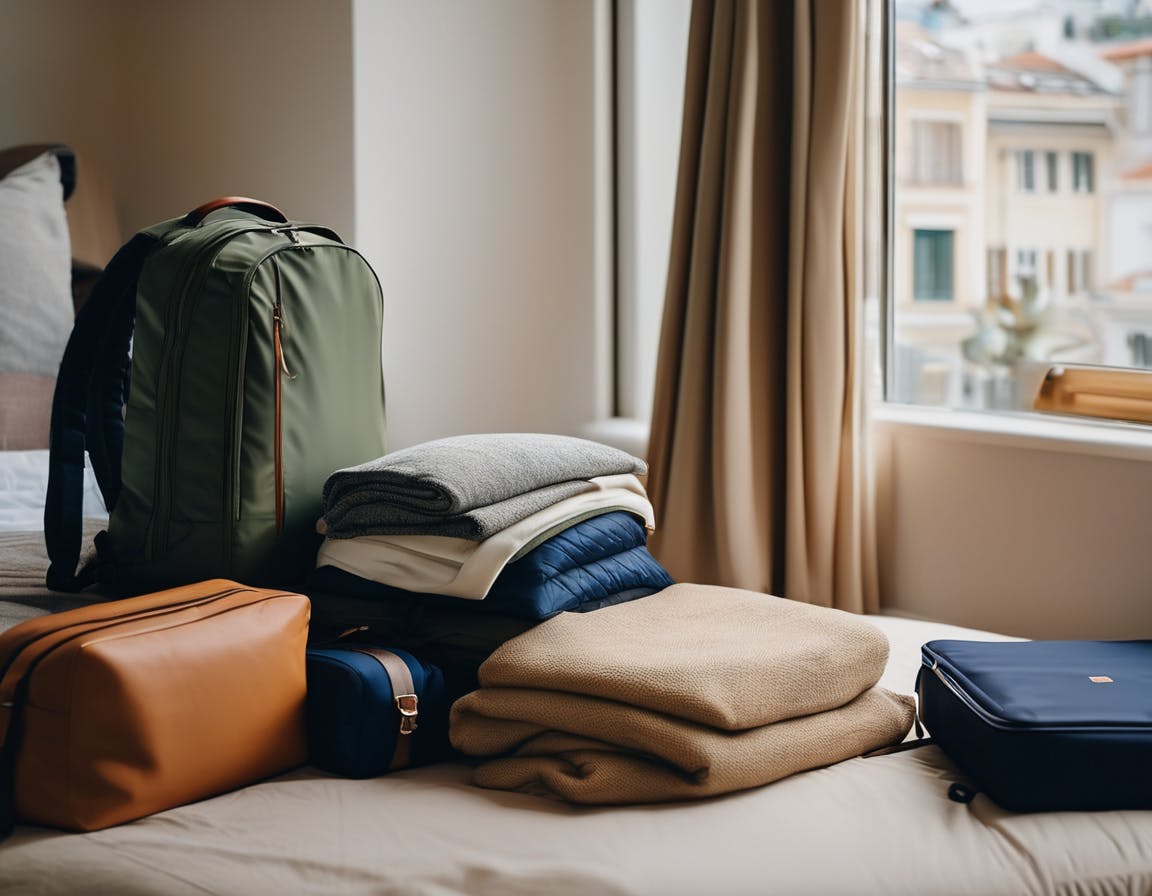
The carry-on bag functions as your primary luggage. It usually sits in the overhead compartment and contains the majority of your clothing and larger travel items.
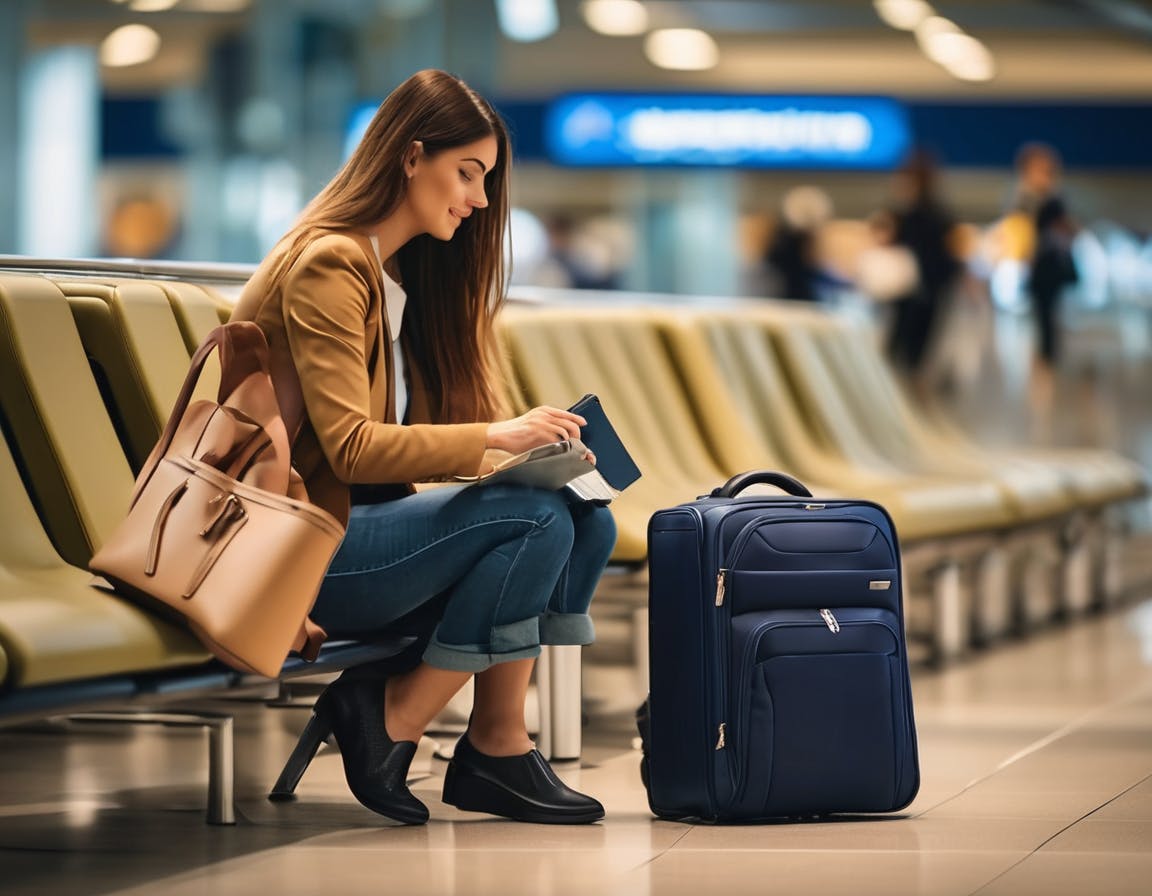
The personal item stays under the seat in front of you during the flight. Because it remains accessible, it should hold the items needed during the journey itself.
Separating the roles of the two bags keeps both organised.
What Belongs in the Carry-On
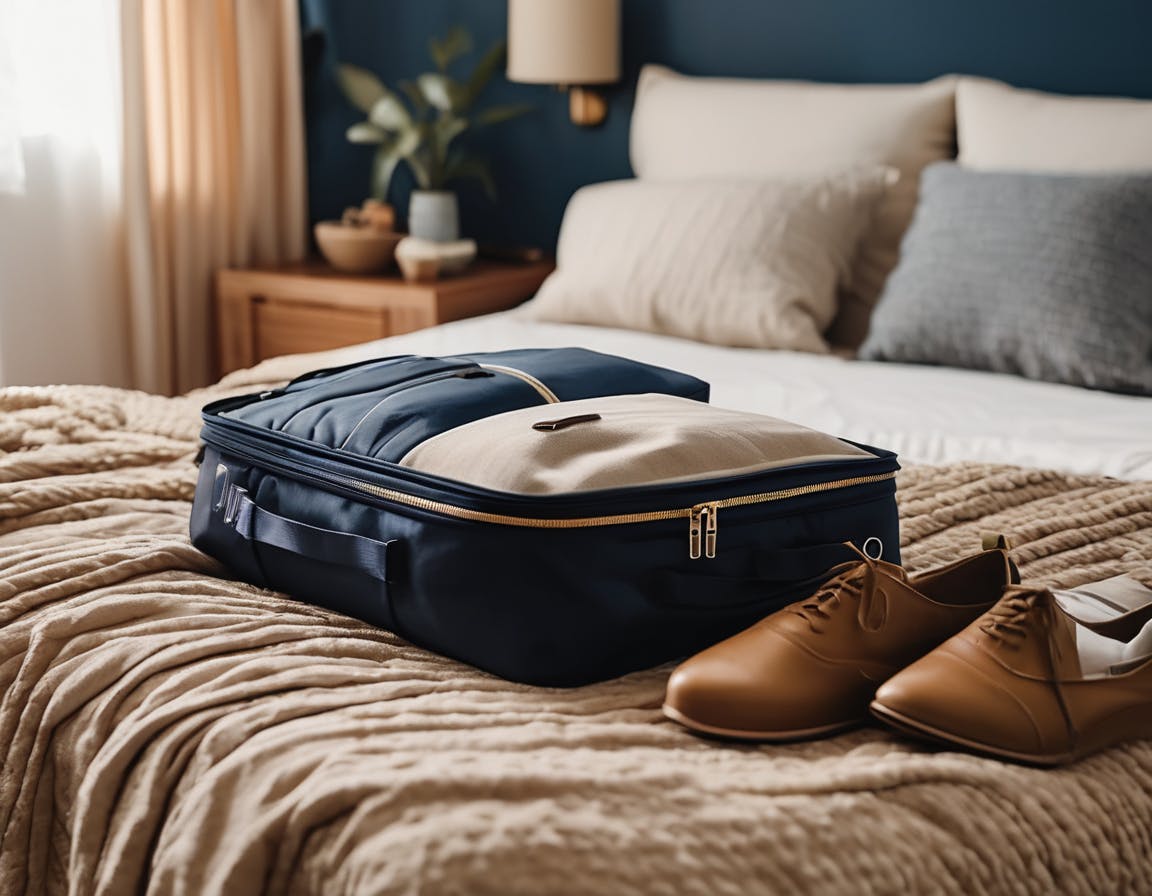
The carry-on bag works best when it holds structured items that are not needed during the flight.
- Clothing packed in packing cubes
- Spare shoes
- Larger toiletries
- Travel accessories
This arrangement keeps the main bag organised while reducing the need to access it frequently during the flight.
Many travellers follow the packing structure outlined in Carry-On Packing List for Australia and New Zealand, where clothing and travel essentials remain contained inside a carefully organised carry-on.
What Belongs in the Personal Item
The personal item bag holds the items needed during travel and immediately after arrival.
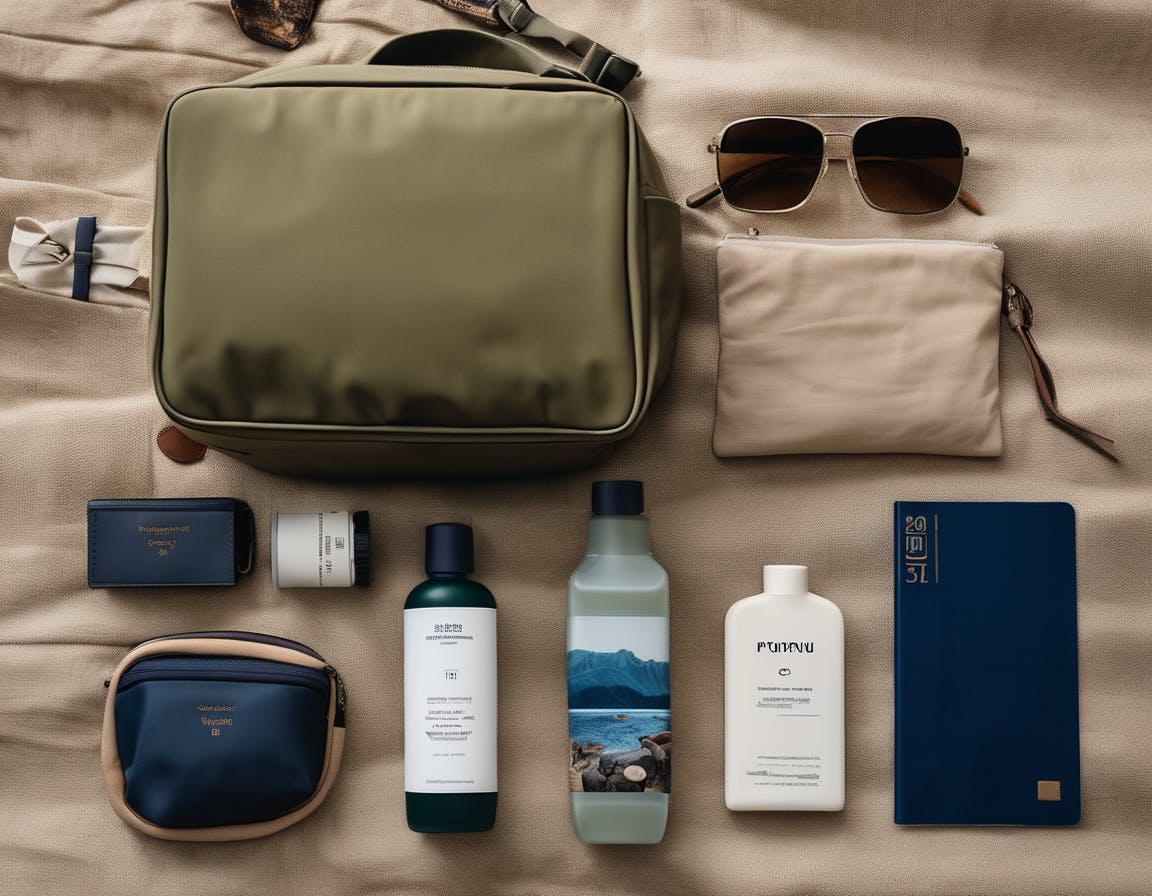
- Passport and travel documents
- Phone and charger
- Headphones
- Snacks
- Notebook or travel planner
- Light sweater or scarf
Keeping these items in the personal item prevents repeated trips to the overhead compartment during the flight.
Protect Electronics and Documents
Electronics and important documents often belong in the personal item bag because they remain within reach.
This placement reduces the risk of leaving valuable items behind and makes them easier to retrieve during security checks or boarding.
Travellers who carry several devices may find it helpful to organise them using the method described in How to Organise Electronics in a Travel Backpack.
Avoid Overloading the Personal Item
The personal item bag should remain lightweight and easy to handle. Filling it with unnecessary items makes it harder to manage during boarding and during the flight.
If the personal item becomes too full, essential items become harder to locate quickly.
A small amount of structure keeps the bag comfortable and functional.
Two Bags Working Together
When both bags are packed intentionally, they function as a coordinated travel system.
The carry-on holds the majority of your belongings in an organised structure. The personal item carries the items required during the journey.
This simple separation allows travellers to move through airports, security checks, and flights with far less disruption.