Packing for Europe has a curious way of becoming dramatic.
Suddenly, you are imagining cobbled streets, elegant cafés and the need for six outfit changes per day.
This carry-on packing list for Europe is designed for reality. Trains. Stairs. Compact hotel rooms. Museum queues. Walking — quite a lot of walking.
Europe rewards efficiency. The lighter and more organised you pack, the smoother the journey becomes.
How Many Clothes Do You Really Need for Europe?
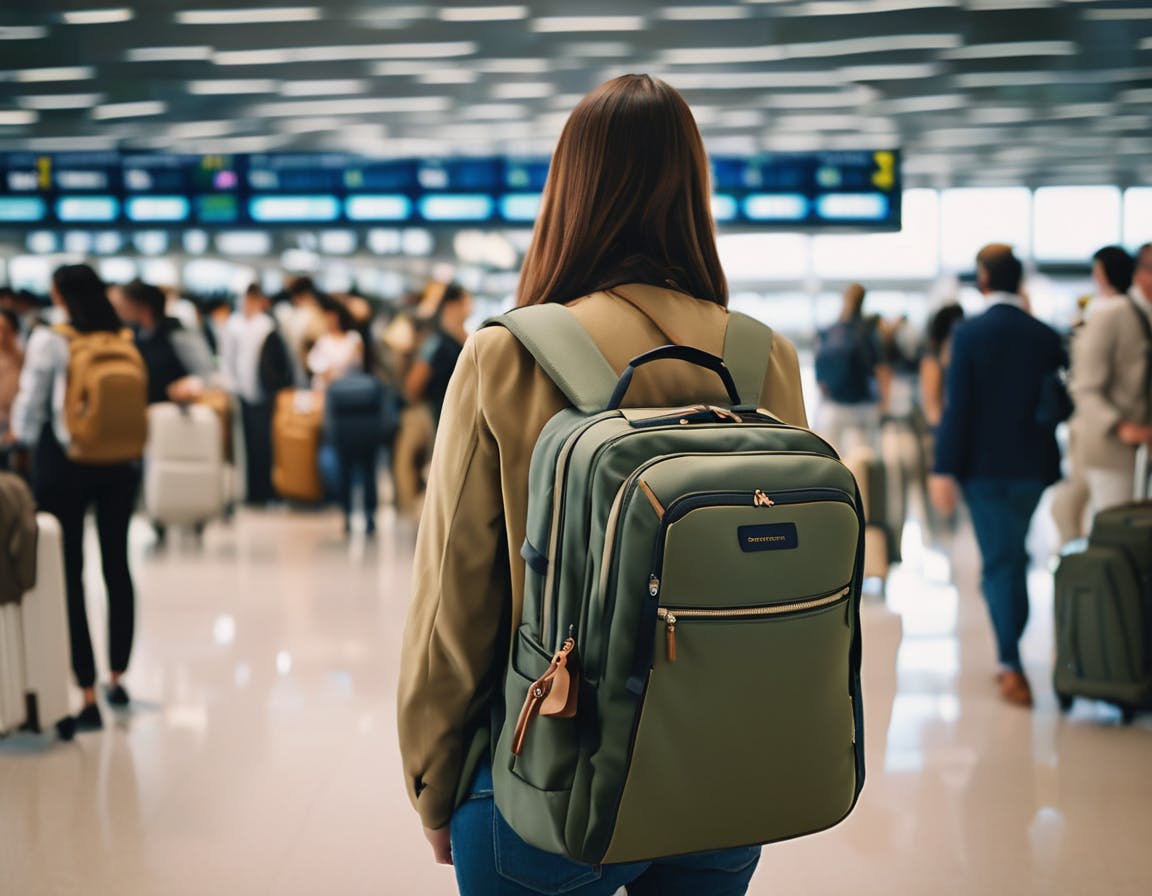
For most 5–7 day European trips, a carry-on backpack between 35–40 litres is sufficient.
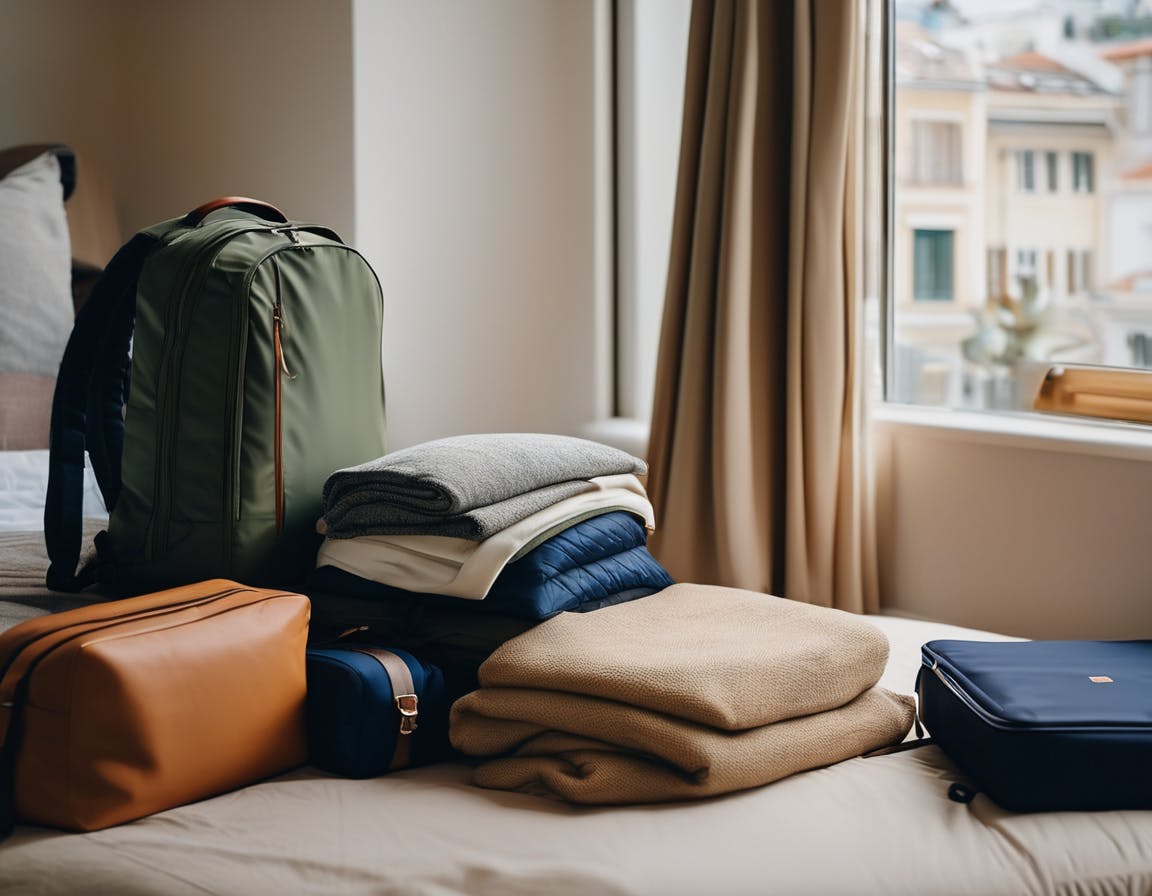
- 3–4 versatile tops
- 2 bottoms that coordinate with all tops
- 1 lightweight outer layer
- 1 evening option (if required)
- Sleepwear
- Undergarments and socks
Choose pieces that layer easily. European weather can change quickly, particularly in spring and autumn.
(Related: How to Pack a Carry-On for a Week)
Footwear for European City Travel
Cobbled streets are not forgiving.
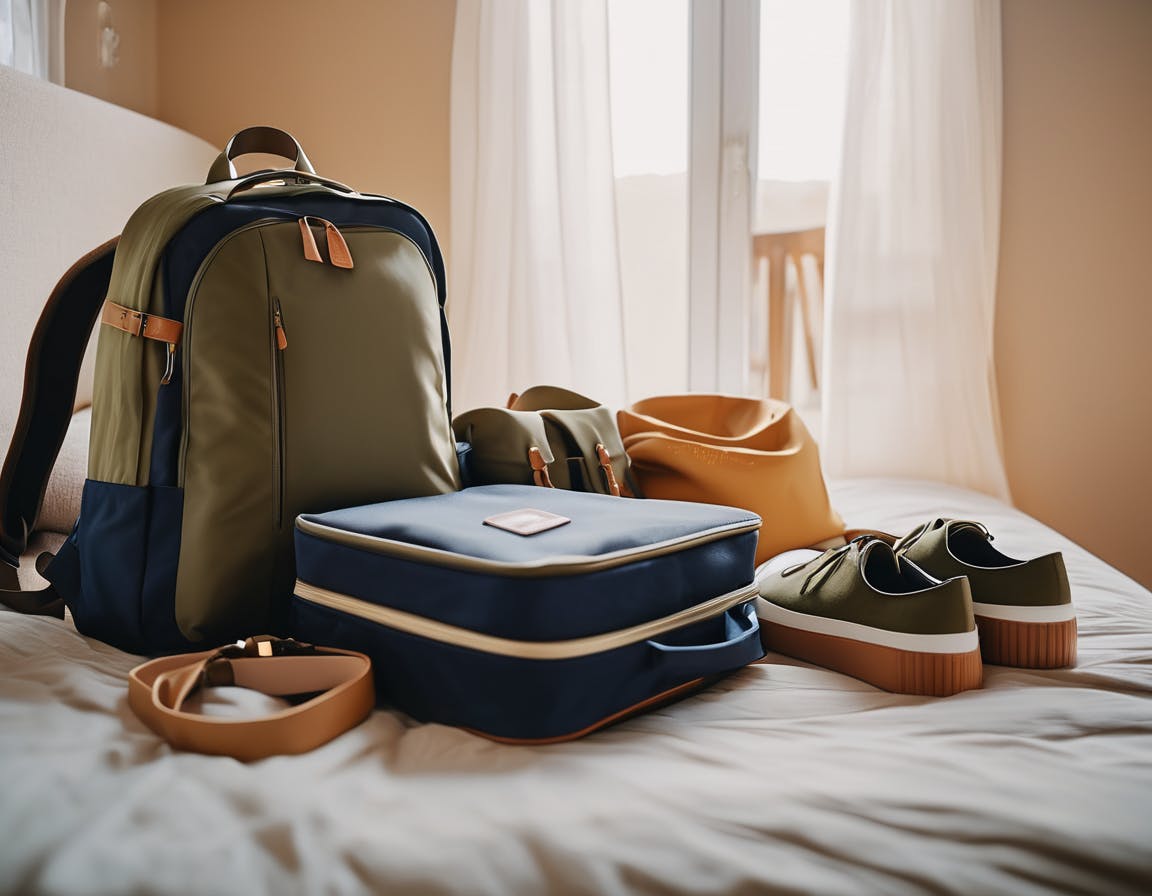
- Comfortable walking shoes (worn in transit)
- One secondary pair (flats or sandals depending on season)
High heels and extended walking tours rarely coexist peacefully.
Outerwear for Europe
Layering is more practical than packing heavy coats.
- Lightweight waterproof jacket
- Compact scarf (doubles as warmth and modesty cover for churches)
- Thin knit or cardigan
Layers adapt easily between cooler mornings and warmer afternoons.
Toiletries for Cabin Travel in Europe
Airline liquid rules still apply when travelling from the UK to Europe.
- Liquids under 100ml in a clear pouch
- Travel-sized skincare essentials
- Compact hairbrush and minimal styling tools
Many European hotels provide basic toiletries. Confirm before packing duplicates.
Travel Documents & Essentials
- Passport
- Travel insurance details
- Boarding passes or digital confirmations
- Payment cards
- Small crossbody or secure internal pocket storage
Keeping documents in a consistent location reduces stress during train transfers and airport security.
(Related: How to Organise a Travel Backpack)
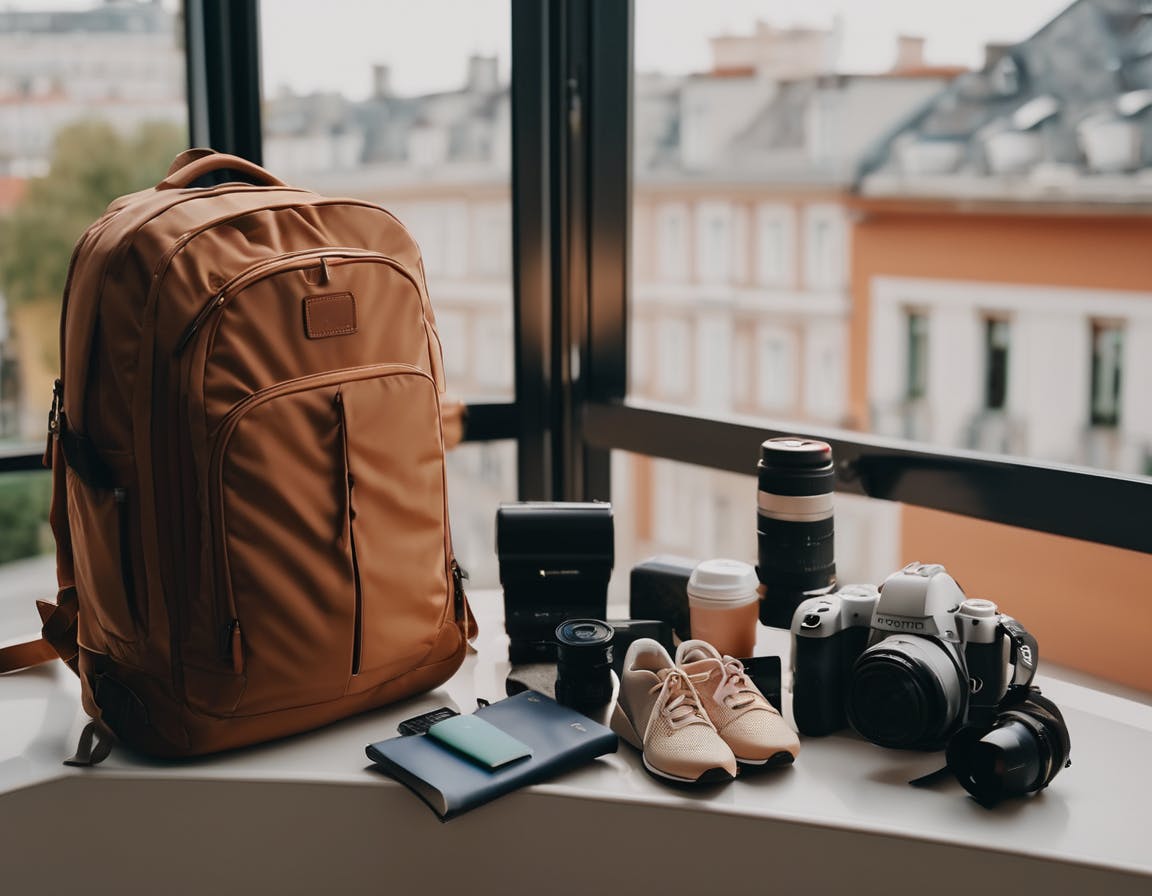
Electronics for European Travel
- Phone and charger
- European plug adaptor (Type C/F depending on destination)
- Lightweight power bank
- Laptop or tablet (if required)
Keep cables contained in a dedicated pouch to avoid unnecessary tangling.
People Also Ask
Can I travel to Europe with only a carry-on?
Yes. For trips up to one week, a well-organised carry-on backpack is sufficient for clothing, toiletries and electronics.
What size carry-on is best for Europe?
A 35–40 litre cabin-compatible backpack works well for city breaks and multi-country train travel.
How do I pack light for Europe?
Choose interchangeable clothing, limit footwear and use packing compartments to structure your bag.
Should I bring a suitcase or backpack to Europe?
Backpacks often perform better on stairs, cobbled streets and public transport, especially for multi-city trips.
(Related: Backpack vs Carry-On Suitcase)
Seasonal Adjustments
Summer in Europe
- Breathable fabrics
- Light dress or linen trousers
- Sunglasses
Autumn & Spring
- Light layers
- Compact waterproof jacket
- Closed walking shoes
Winter
- Thermal base layers
- Warm but compressible coat (worn during transit)
- Gloves and scarf
Common Mistakes When Packing for Europe
- Packing too many shoes
- Choosing heavy fabrics
- Ignoring internal organisation
- Forgetting plug adaptors
- Overpacking “just in case” outfits
A structured carry-on packing list for Europe reduces these issues before departure.
Final Thoughts
Europe rewards mobility. Whether navigating metro stairs, regional trains or compact hotel lifts, an organised carry-on simplifies every transition.
With thoughtful preparation and efficient packing, your focus remains on the experience — not the luggage.
Related Guides