If finding your passport requires archaeology, the system has failed.
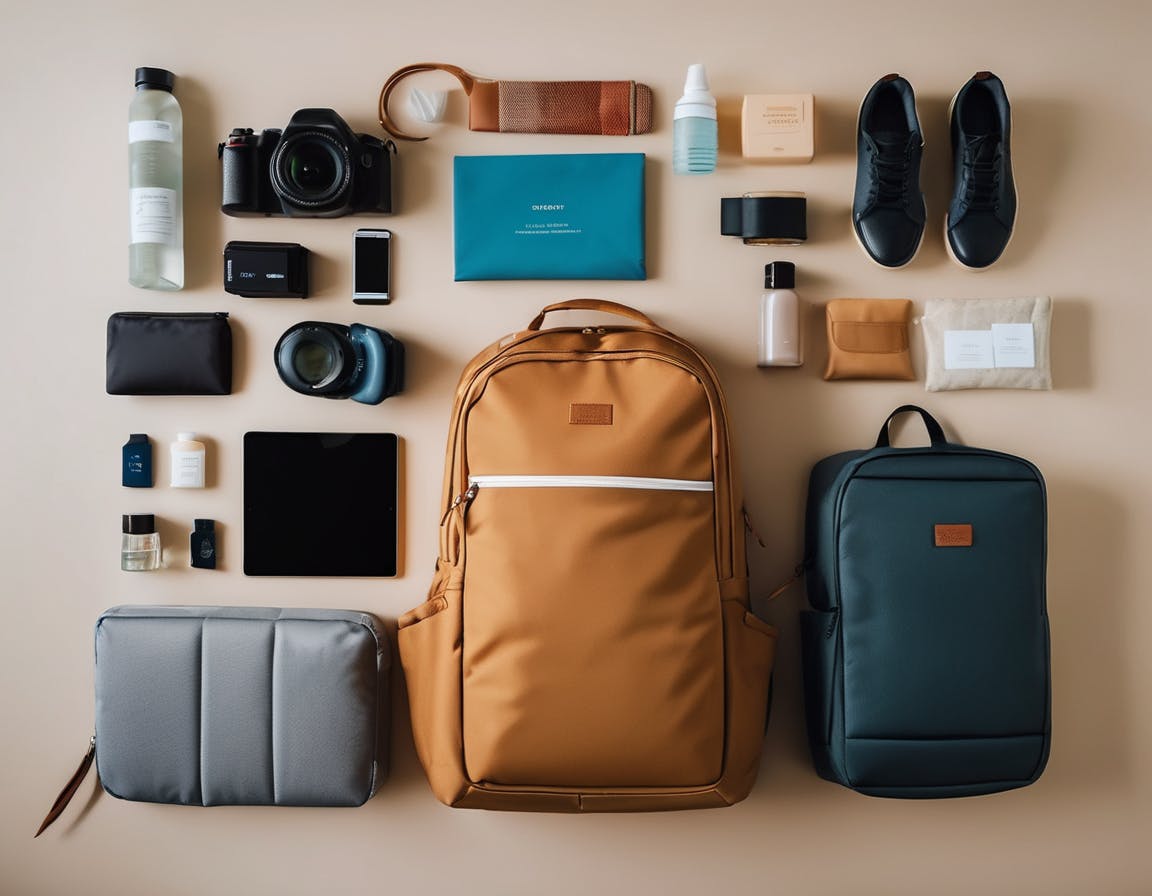
Learning how to organise a travel backpack properly turns packing from a hopeful arrangement into a deliberate structure. When every item has a defined place, airport security becomes routine, train transfers feel manageable and hotel arrivals are refreshingly uneventful.
Organisation is not about perfection. It is about predictability.
Why Backpack Organisation Matters
A travel backpack without structure becomes one large compartment of mystery. Items shift during transit. Chargers wrap themselves around everything. Documents migrate.
A well-organised carry-on backpack allows you to:
- Access travel documents instantly
- Remove electronics quickly at airport security
- Separate clean clothing from worn items
- Maintain balance and weight distribution
(Related: Best Carry-On Backpack for Women)
The Three-Zone Organisation System
Zone 1: Quick-Access Essentials
This zone should include:
- Passport
- Boarding pass
- Phone
- Travel wallet
Use a front pocket or small secure compartment. These items should never require opening the main packing section.
Zone 2: Tech & Documents
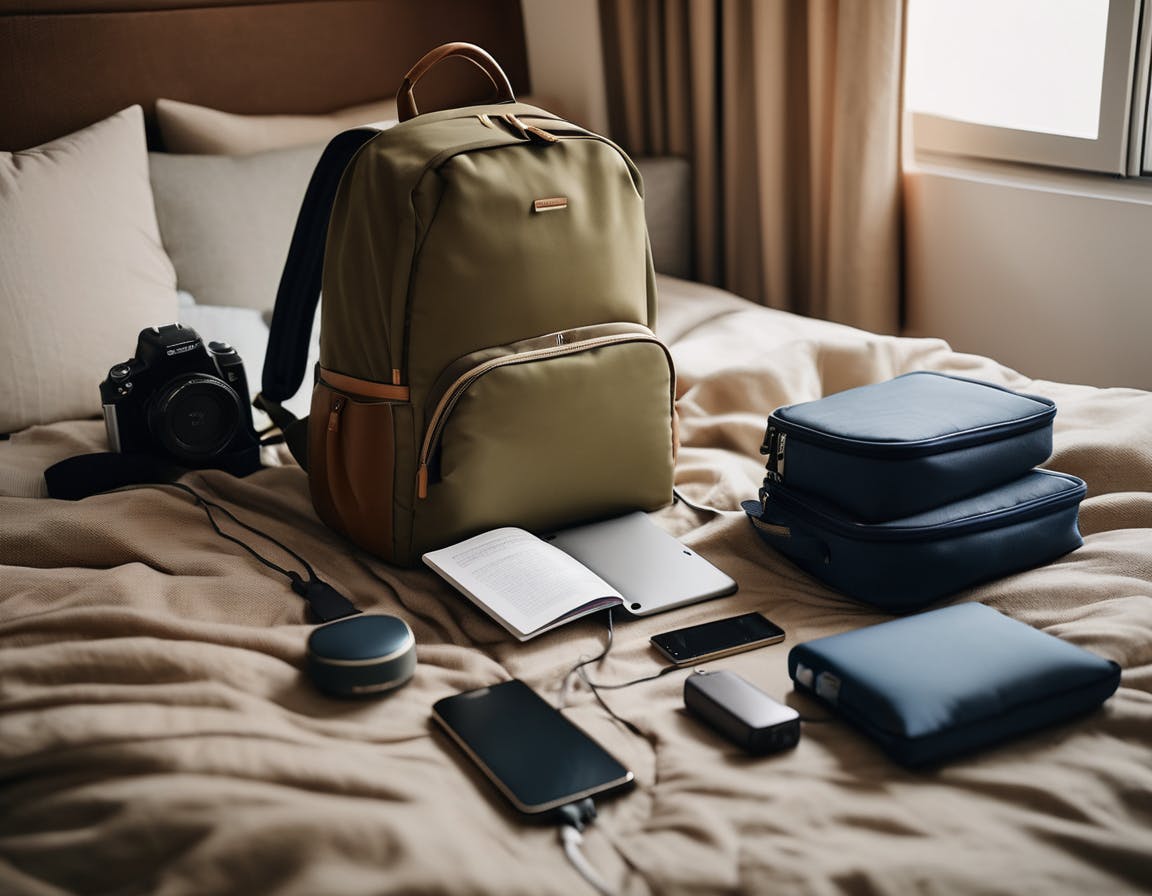
A separate padded compartment is ideal for:
- Laptop
- Tablet
- Charging cables
- Plug adaptors
Keep all electronics in one defined area. This reduces time spent searching and speeds up security screening.
(Related: Best Travel Backpack with Laptop Compartment)
Zone 3: Clothing & Personal Items
The main compartment should hold:
- Packing cubes with coordinated outfits
- Lightweight toiletries in a clear pouch
- Sleepwear and undergarments
Compression straps help prevent shifting during transit.
(Related: How to Pack a Carry-On for a Week)
Should You Use Packing Cubes?
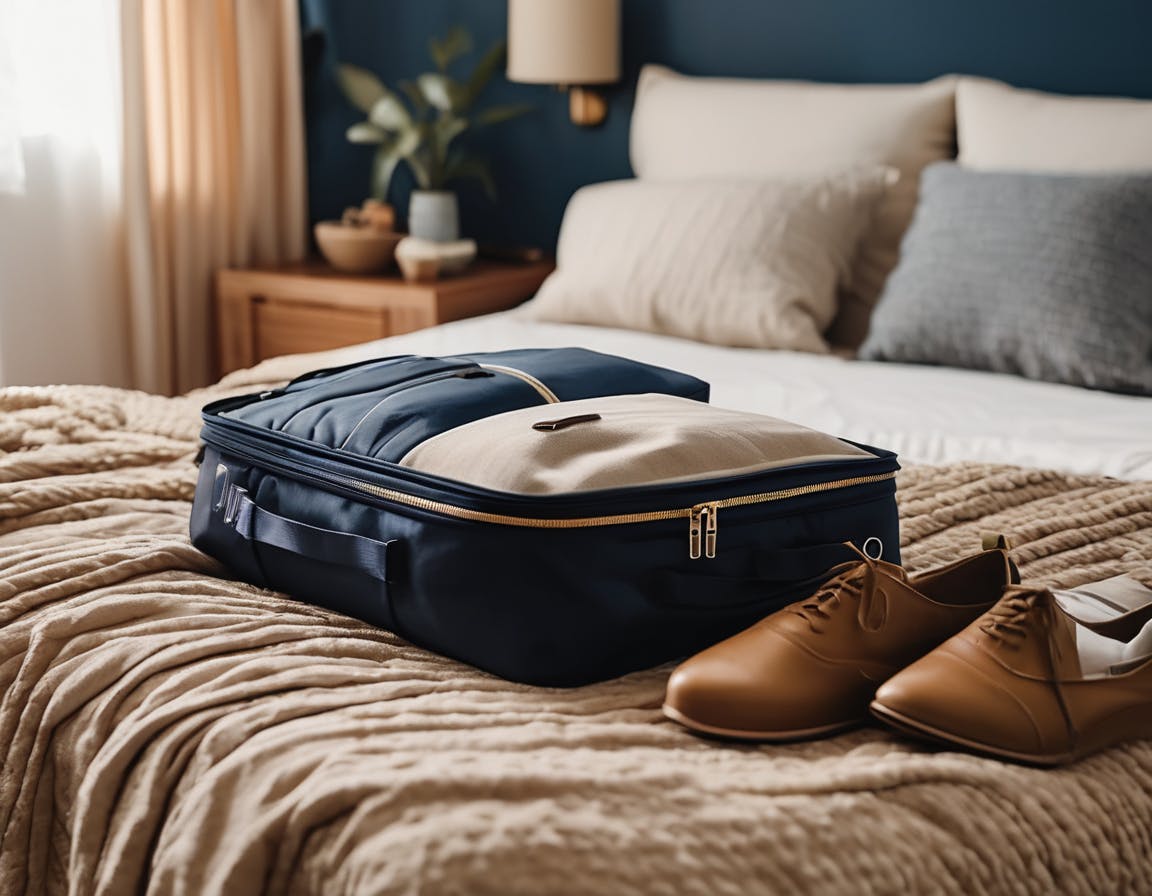
Packing cubes create micro-structure inside your bag. Instead of loose garments, clothing is grouped by category or outfit.
Benefits include:
- Faster unpacking
- Clear separation of items
- Reduced internal shifting
- Simpler repacking between destinations
While not mandatory, they significantly improve organisation for carry-on travel.
How to Arrange Items for Airport Security
Security checkpoints reward anticipation.
- Liquids near the top of the bag
- Laptop in external-access sleeve
- Metal items stored together
When your bag layout anticipates inspection, the process becomes straightforward.
Weight Distribution & Comfort
Heavier items should sit close to your back panel. This improves balance and reduces strain.
A poorly balanced backpack feels heavier than it is.
People Also Ask
What is the best way to organise a travel backpack?
Divide the backpack into zones: quick-access essentials, electronics and clothing. Assign every item a consistent location.
How do I stop my backpack from becoming messy?
Use packing cubes, avoid loose items and repack immediately after security checks or hotel arrivals.
Should toiletries go at the top or bottom?
Liquids should sit near the top or in a quick-access pocket to simplify airport security screening.
How do I organise my backpack for a week-long trip?
Use coordinated outfits, limit footwear and separate tech from clothing. Structure prevents shifting during transit.
Common Backpack Organisation Mistakes
- Relying on one large compartment
- Ignoring quick-access needs
- Allowing cables to float freely
- Overpacking without compartment planning
- Failing to repack methodically after security checks
Organisation requires consistency more than complexity.
Why Organisation Reduces Travel Stress
Travel days involve movement, queues and time pressure. When your backpack is organised, you eliminate one major variable.
Instead of searching, you retrieve. Instead of unpacking, you access.
And instead of feeling flustered, you remain composed.