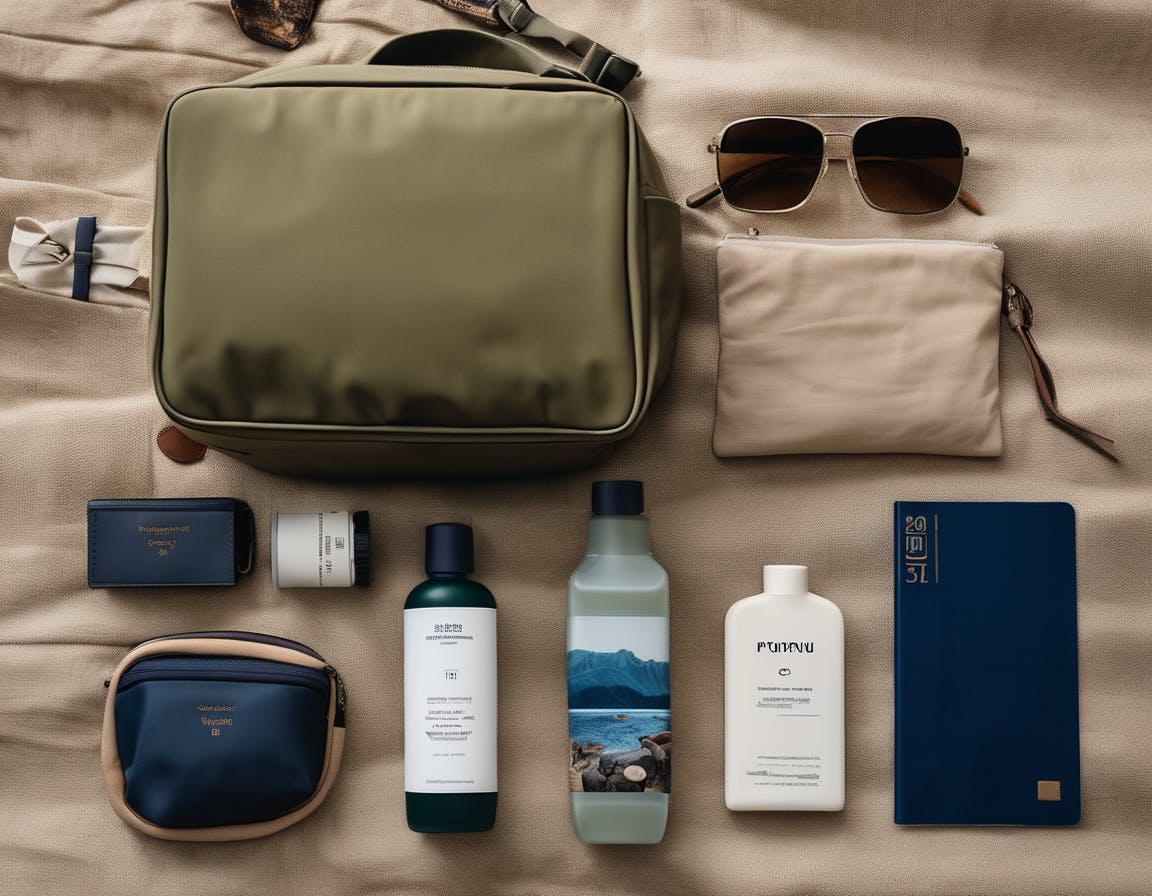
Packing for a week used to involve optimism. And several unnecessary pairs of shoes.
Learning how to pack a carry-on for a week is less about squeezing more into a small space and more about building a repeatable system. When done properly, a cabin-sized bag can support seven days of travel without turning your hotel room into a textile crime scene.
The key is structure.
Why Most People Overpack for a Week
Overpacking rarely happens because space is limited. It happens because decisions are unclear.
- Packing “just in case” items
- Building outfits around single-use pieces
- Ignoring internal organisation
- Choosing volume over efficiency
Without a system, even a well-designed carry-on backpack becomes chaotic.
(Related: Best Carry-On Backpack for Women)
The Prepared Carry-On System (Step-by-Step)
Step 1: Plan Outfits, Not Options
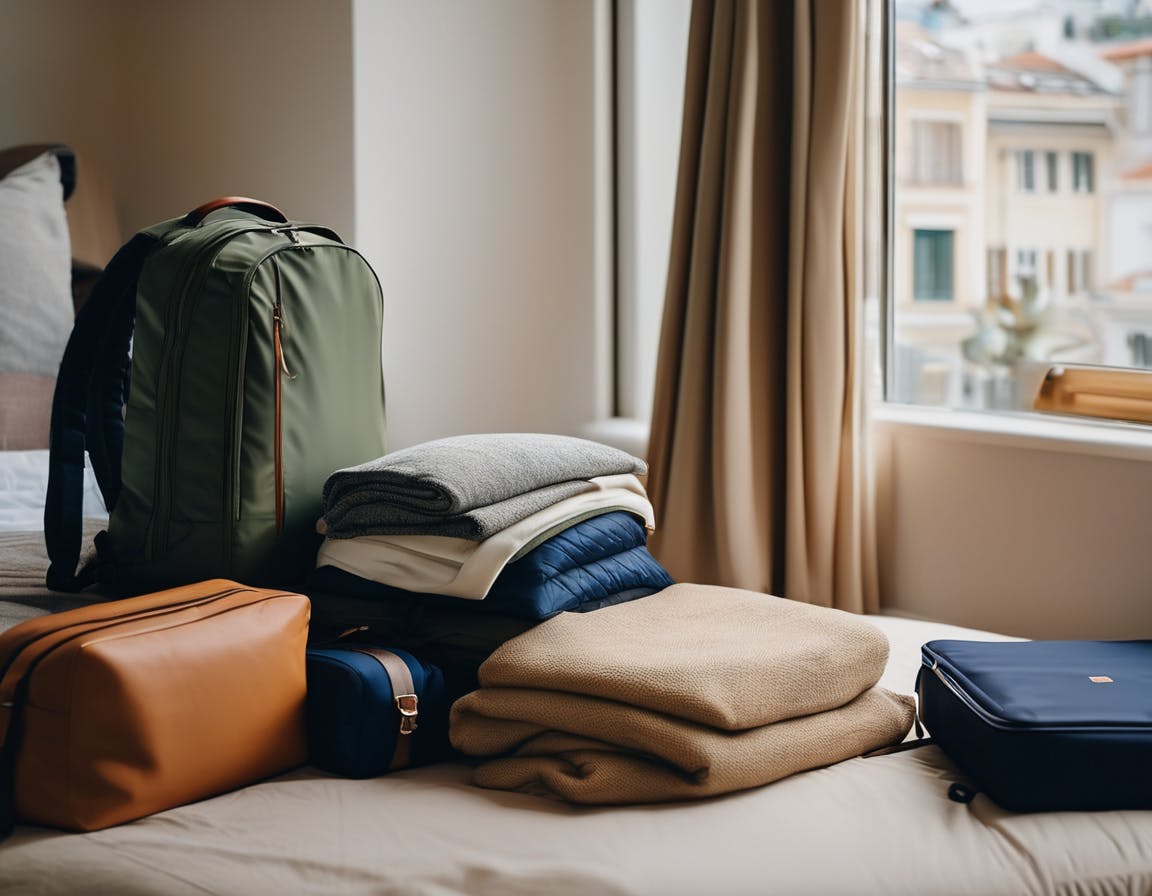
Select interchangeable pieces that work together. A seven-day trip does not require seven completely different ensembles. It requires coordination.
- 2–3 tops that layer easily
- 2 bottoms that pair with all tops
- 1 versatile outer layer
- Comfortable travel outfit worn in transit
Wearing bulkier items on the plane reduces cabin bag weight and maximises internal space.
Step 2: Use Compartments Intentionally
Knowing how to pack a carry-on for a week means assigning zones.
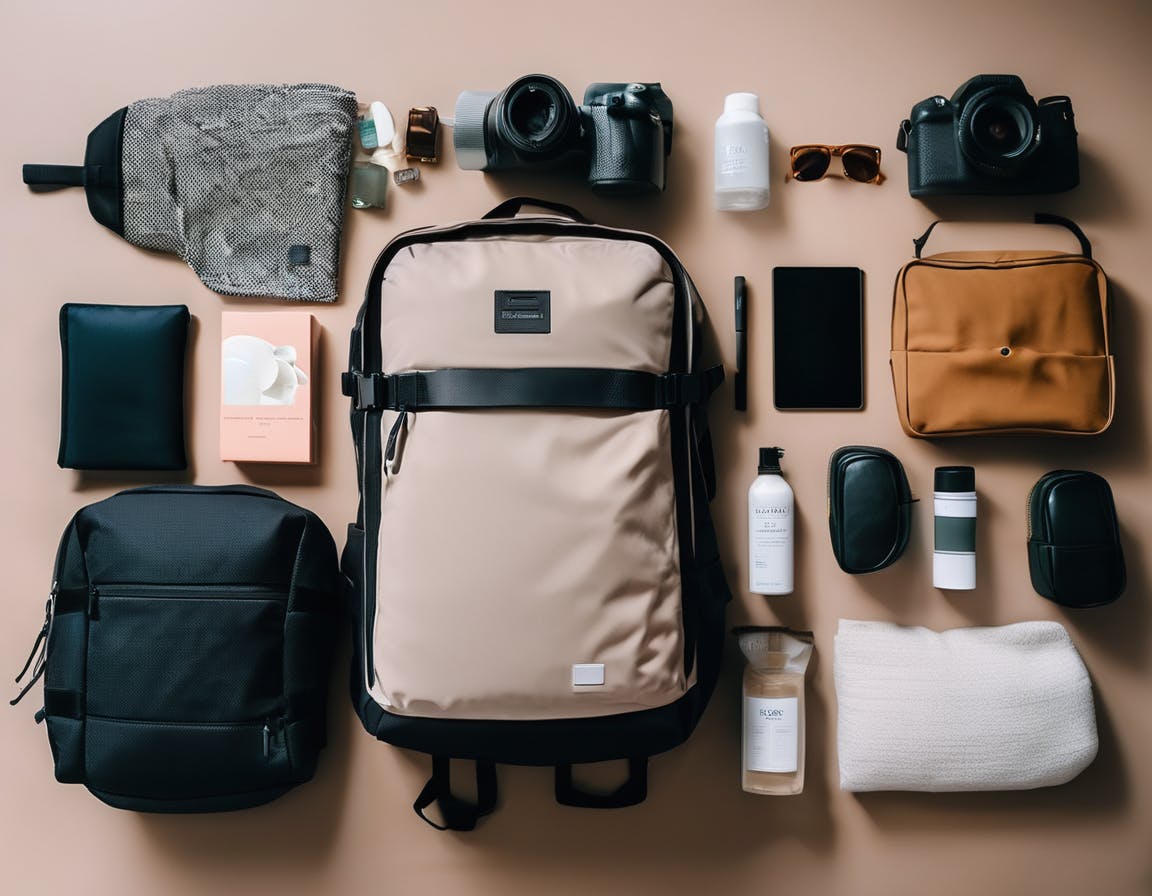
- Clothing zone: Packing cubes or compression sections
- Toiletry zone: Clear liquids pouch in easy-access pocket
- Tech zone: Laptop and chargers in padded section
- Quick-access zone: Passport, boarding pass, phone
This prevents the common airport ritual of unpacking half your bag at security.
(Related: How to Organise a Travel Backpack)
Step 3: Limit Shoes Strategically
Shoes are the silent space thieves of carry-on luggage.
For most week-long trips:
- One comfortable walking pair (worn in transit)
- One secondary pair (flats or lightweight option)
If a third pair is necessary, ensure it serves a distinct purpose.
Step 4: Toiletries Without the Bulk
Cabin regulations require liquids under 100ml in a transparent bag.
Instead of carrying full-sized products, transfer essentials into travel containers. Consider whether accommodation provides basic items before packing duplicates.
Efficiency is often about omission.
Step 5: Manage Electronics Properly
Cables have a remarkable ability to multiply.
Limit yourself to:
- One charging cable per device
- Compact multi-port plug adaptor (if required)
- Small organiser pouch for tech items
Keeping electronics consolidated reduces tangling and speeds up airport security.
How Much Can a Carry-On Really Hold?
A well-organised 35–40 litre carry-on backpack can comfortably accommodate:
- 5–7 clothing sets (when layered intelligently)
- Compact toiletry kit
- Laptop and tablet
- Lightweight outerwear
- Undergarments and sleepwear
The difference lies in folding technique and compartment use, not bag size alone.
Folding vs Rolling: Which Saves More Space?
Rolling clothing reduces creasing and works well inside packing cubes.
Folding maintains structure for tailored pieces.
For most travellers learning how to pack a carry-on for a week, a combination approach works best.
Common Carry-On Packing Mistakes
- Packing duplicate “just in case” clothing
- Leaving empty space unstructured
- Ignoring weight distribution
- Failing to test-pack before departure
A short trial pack the day before departure often reveals unnecessary items.
Why Packing Systems Reduce Travel Stress
When everything has a place, mornings become simpler. Transfers become smoother. Security becomes routine rather than theatre.
Understanding how to pack a carry-on for a week is ultimately about control. Not rigid control — structured control.
And that structure is what makes travel feel lighter.