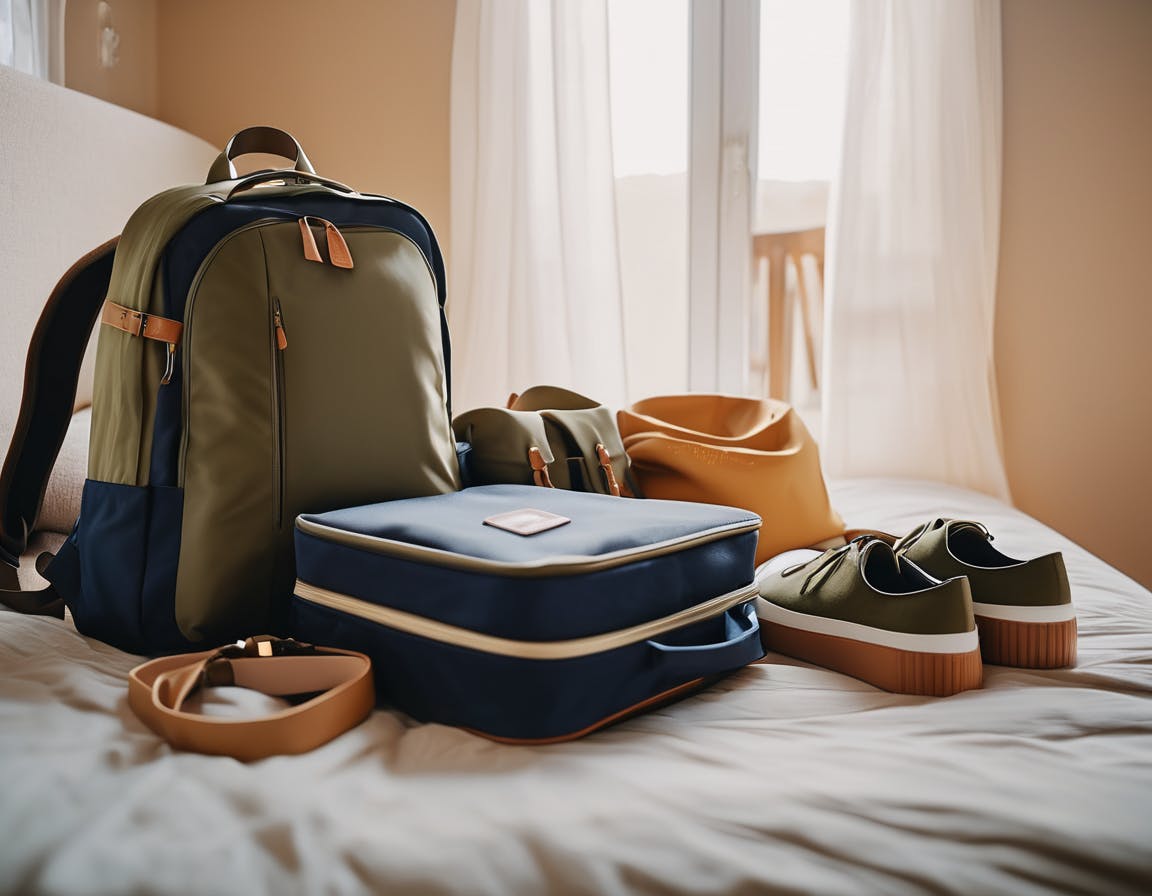
Packing for Australia and New Zealand presents an interesting challenge. The climate can shift quickly between regions, and travellers often move between cities, coastal areas, and cooler environments during the same trip.
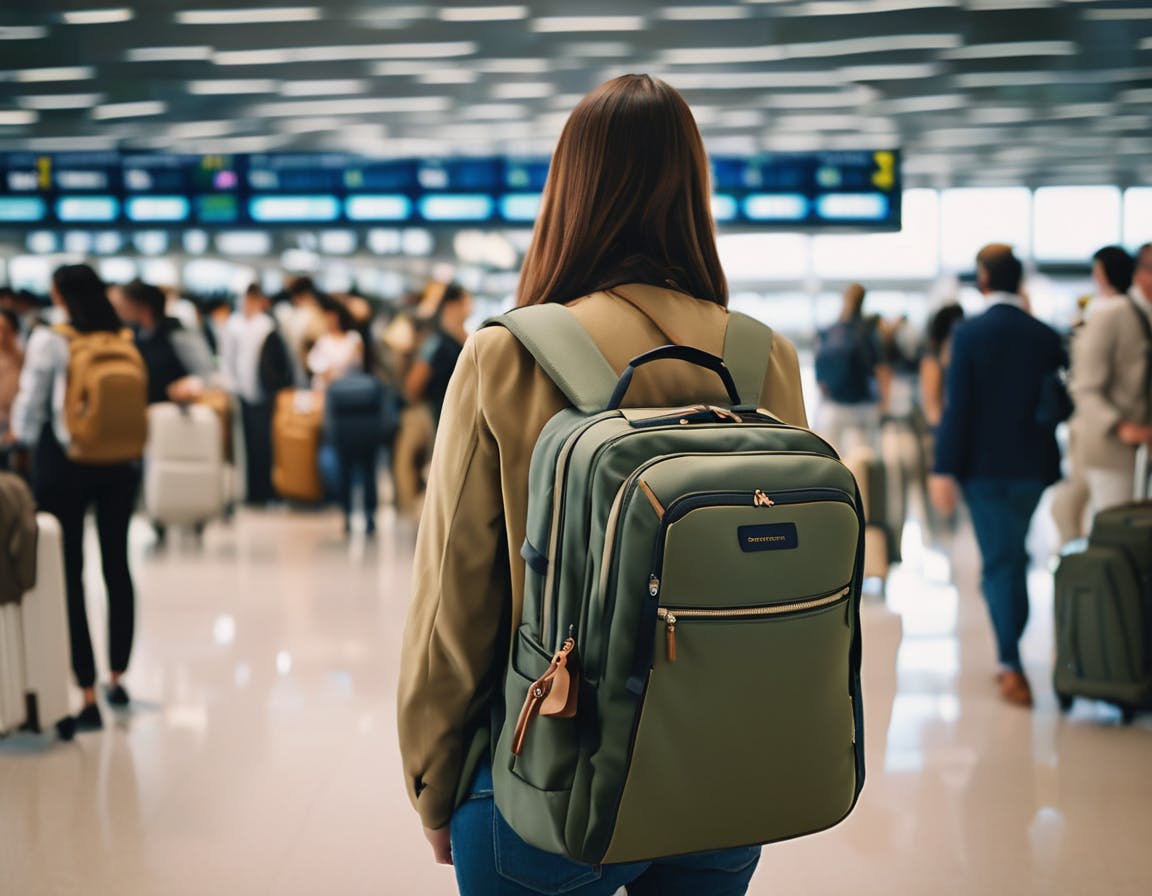
A carry-on bag can easily handle these conditions when it is packed deliberately. The goal is not to squeeze as much clothing as possible into the bag. The goal is to select versatile items and organise them in a way that keeps everything easy to find.
With the right structure, a carry-on becomes more than luggage. It becomes a small, organised travel system.
Clothing That Handles Changing Weather
Both Australia and New Zealand offer a surprising range of climates. A single trip might include warm afternoons, windy evenings, and cooler mornings.
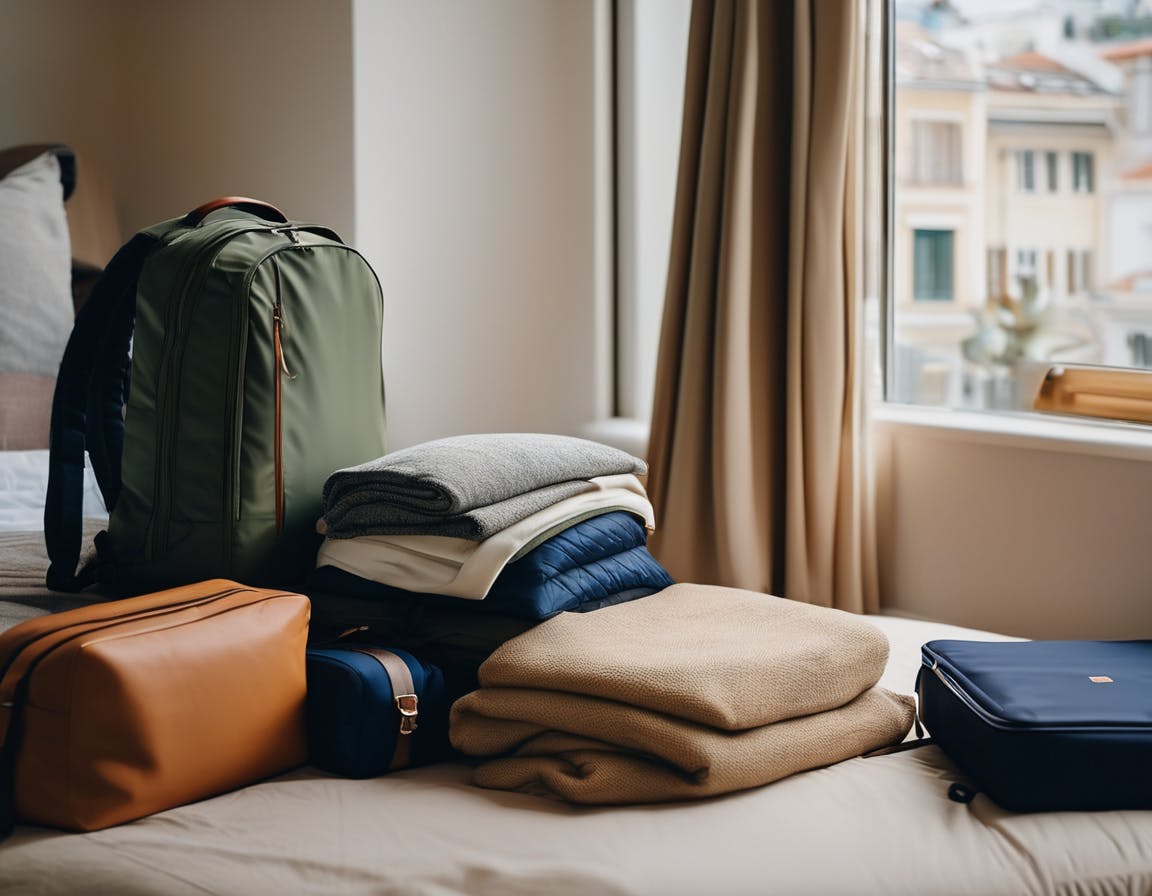
Layering solves most of these variations. Instead of packing bulky items, choose clothing that works together.
- 2–3 lightweight tops
- 1 long-sleeve layer
- 1 lightweight sweater or fleece
- 1 compact rain jacket
- 1 pair of comfortable trousers or jeans
- 1 additional lightweight bottom
- Sleepwear
- Underwear and socks for the week
This combination allows several outfit variations while keeping the total clothing volume manageable.
Shoes That Work Across Multiple Situations
Shoes occupy more space than almost anything else in a carry-on bag, so limiting the number you pack makes a significant difference.
Two pairs usually cover most travel situations.
- Comfortable walking shoes for sightseeing and travel days
- One lighter pair suitable for casual evenings or restaurants
Wear the larger pair during flights to free space inside the bag.
Organising Clothing Inside the Carry-On
Organisation matters as much as the clothing itself. Loose items quickly become difficult to manage once the trip begins.
Packing cubes help keep clothing categories separate. One cube can hold tops, another can hold bottoms, and a smaller cube can contain sleepwear or undergarments.
This approach prevents the familiar travel ritual of removing half the bag’s contents just to locate a single item.
Essential Travel Items
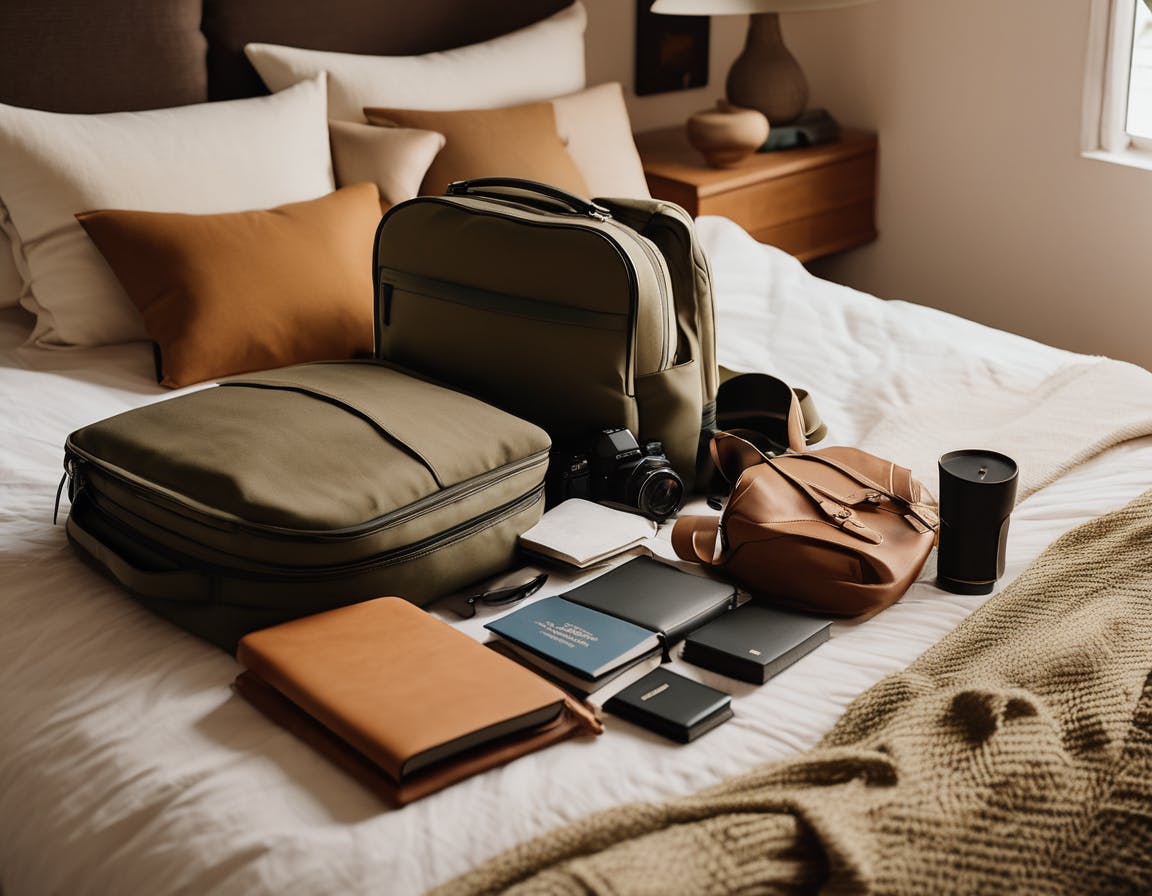
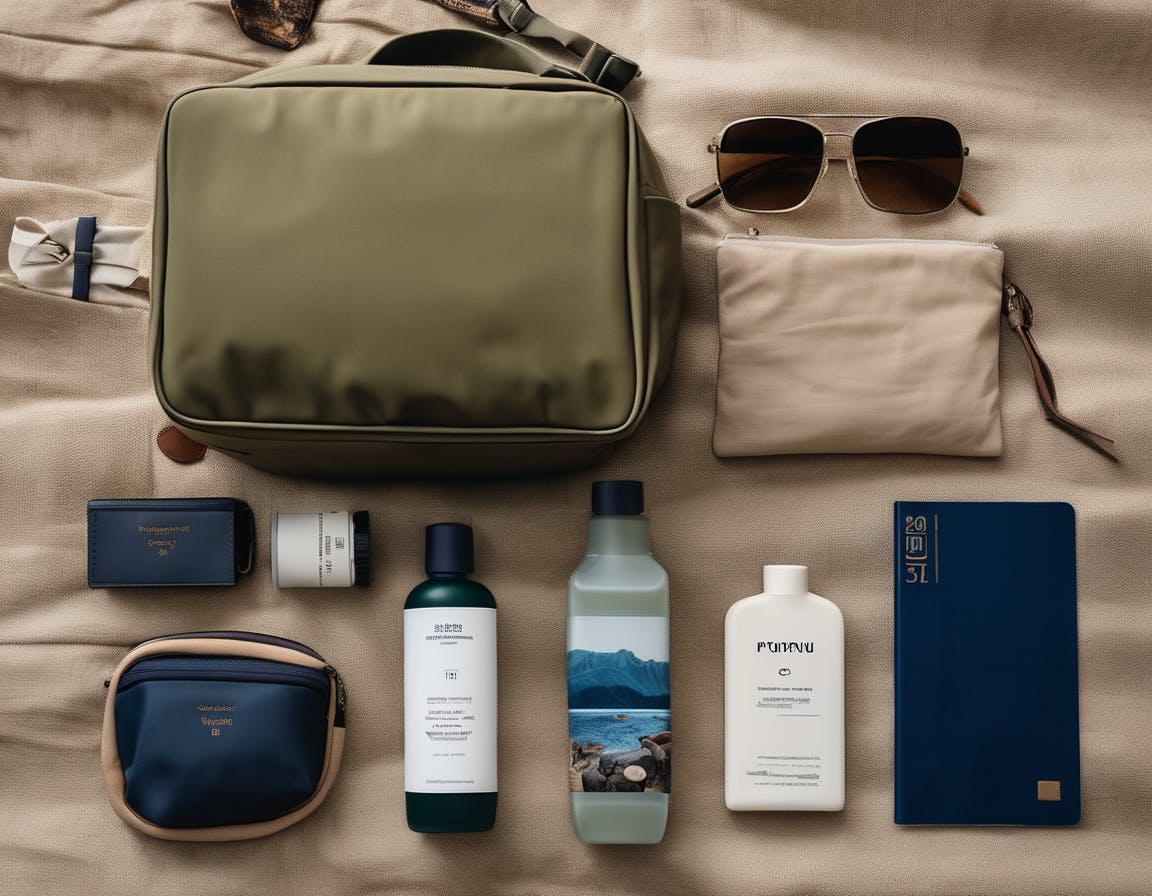
Beyond clothing, several small items make travel days significantly smoother.
- Passport and travel documents
- Phone charger and cables
- Portable power bank
- Reusable water bottle
- Basic toiletries in travel-sized containers
- Sunglasses
- Small notebook or travel planner
Keeping these items in dedicated compartments ensures they remain accessible during flights and airport security checks.
Planning for Regional Differences
Australia’s cities can be warm and dry, while New Zealand often introduces cooler winds and occasional rain. Even within one country, conditions can change between regions.
Clothing that layers easily becomes the simplest solution. A light top combined with a sweater and a compact jacket can handle most weather shifts without increasing the size of your bag.
This strategy keeps your carry-on flexible and avoids the need for bulky clothing that might only be used once.
The Value of an Organised Carry-On
Many travel frustrations begin with luggage that is difficult to manage. When clothing, electronics, and documents share the same space without structure, small tasks become slow and frustrating.
An organised carry-on changes the entire rhythm of a travel day. Clothing stays contained, documents remain accessible, and essential items appear exactly when they are needed.
For trips across Australia and New Zealand, this simple preparation often makes the difference between a heavy, cluttered bag and a travel companion that works quietly in the background.