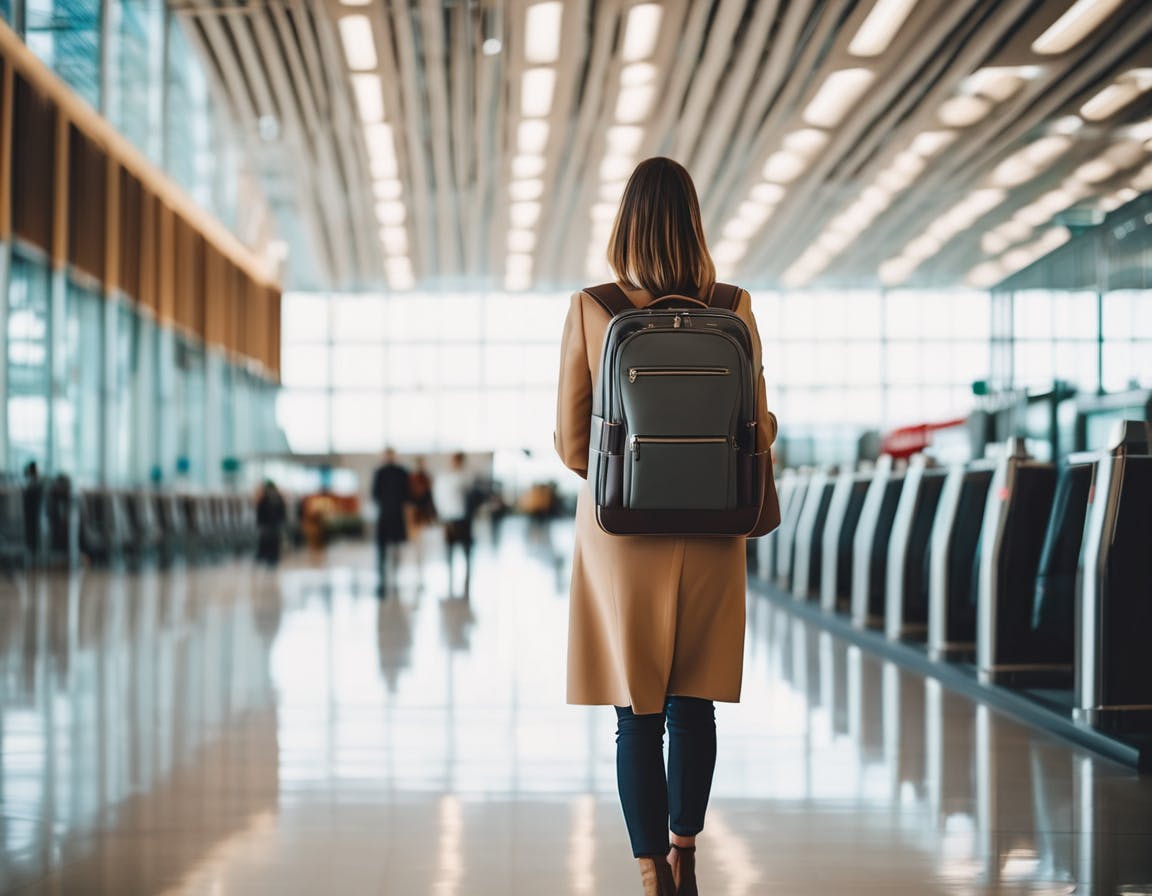
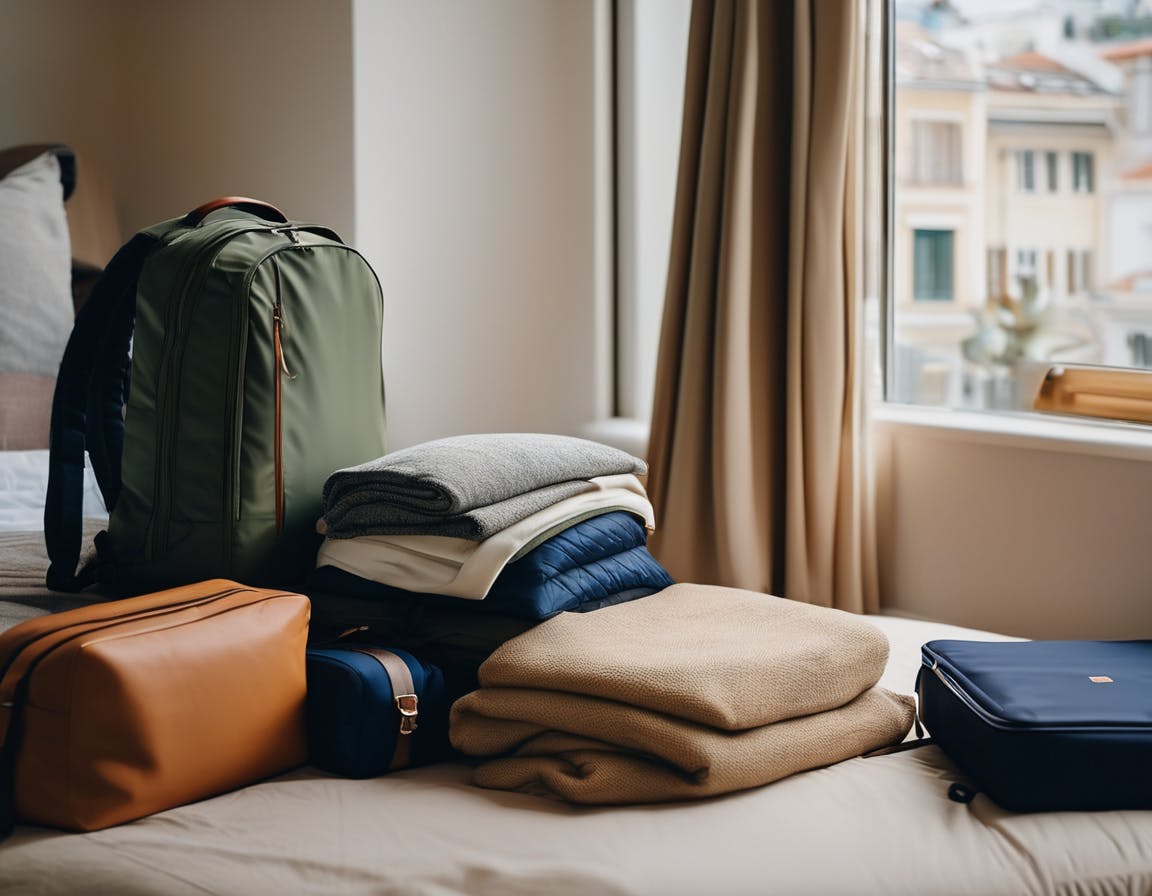
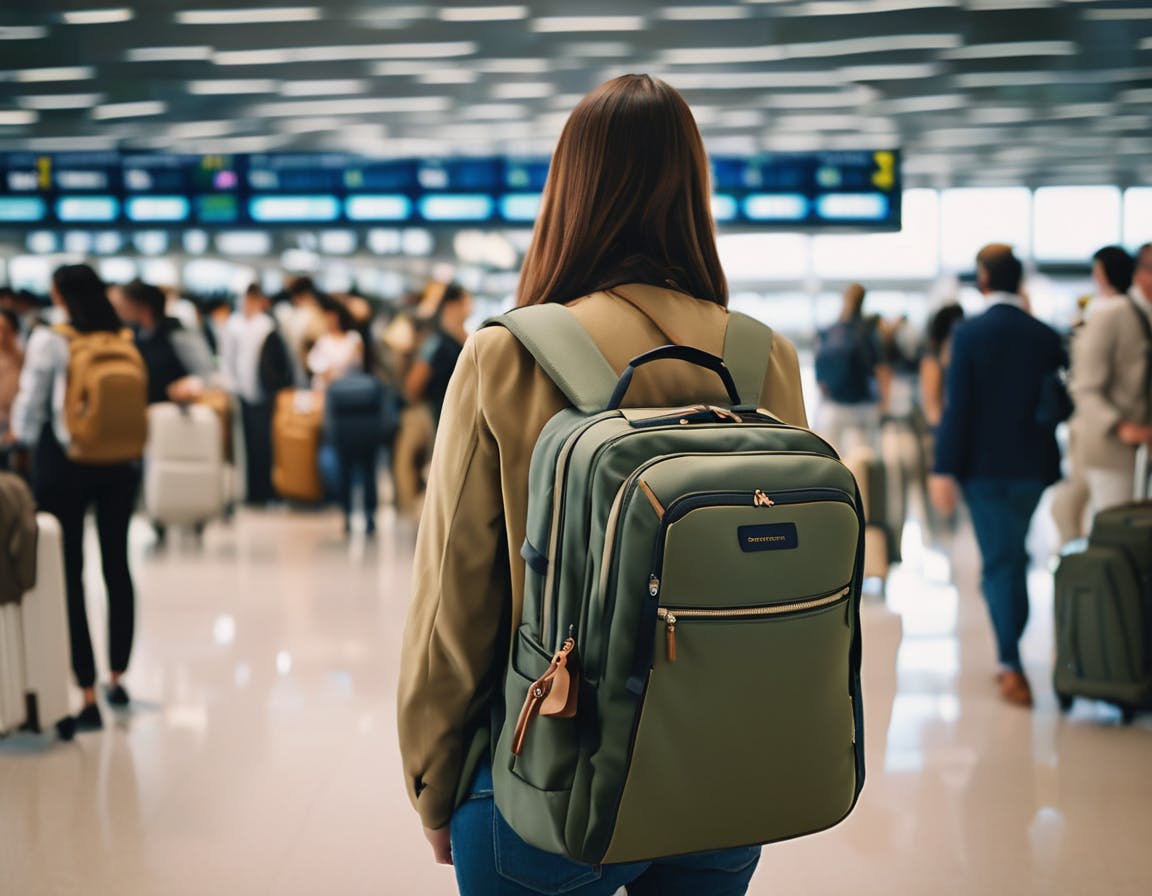
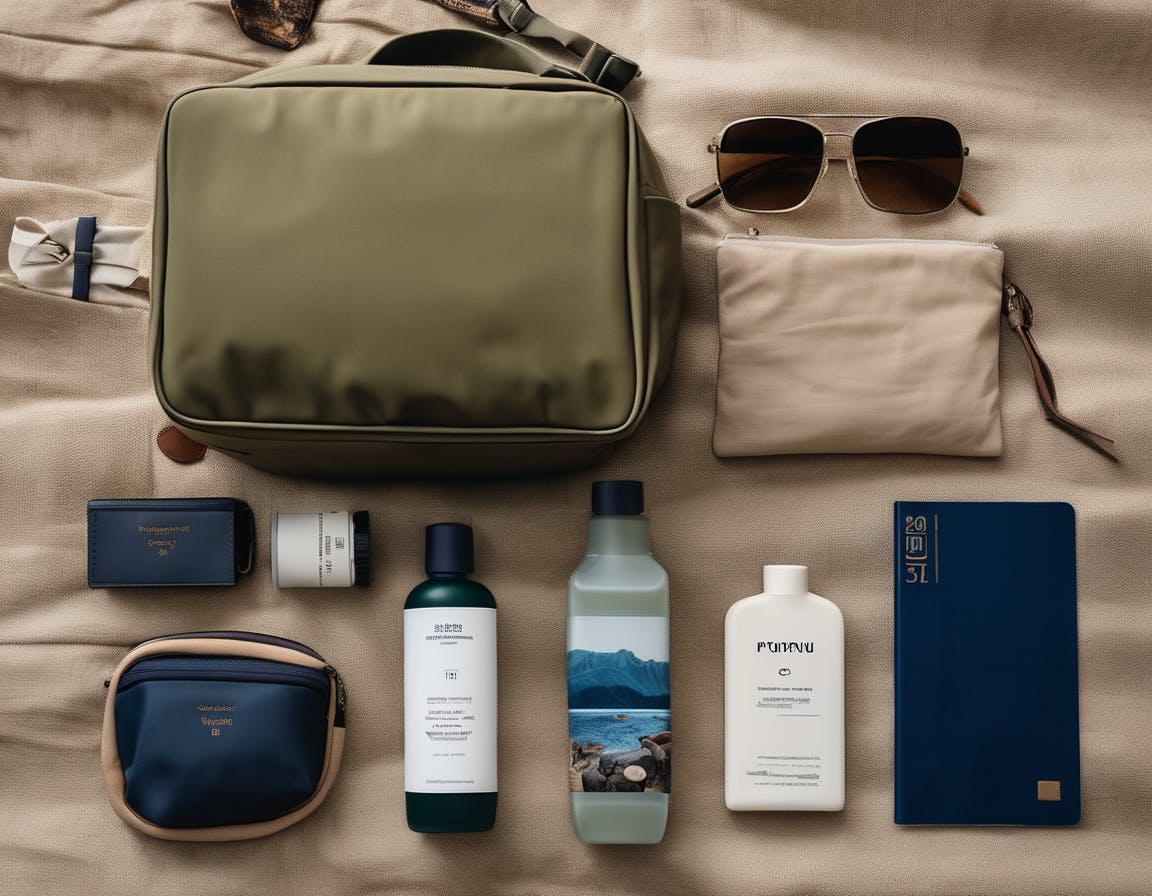
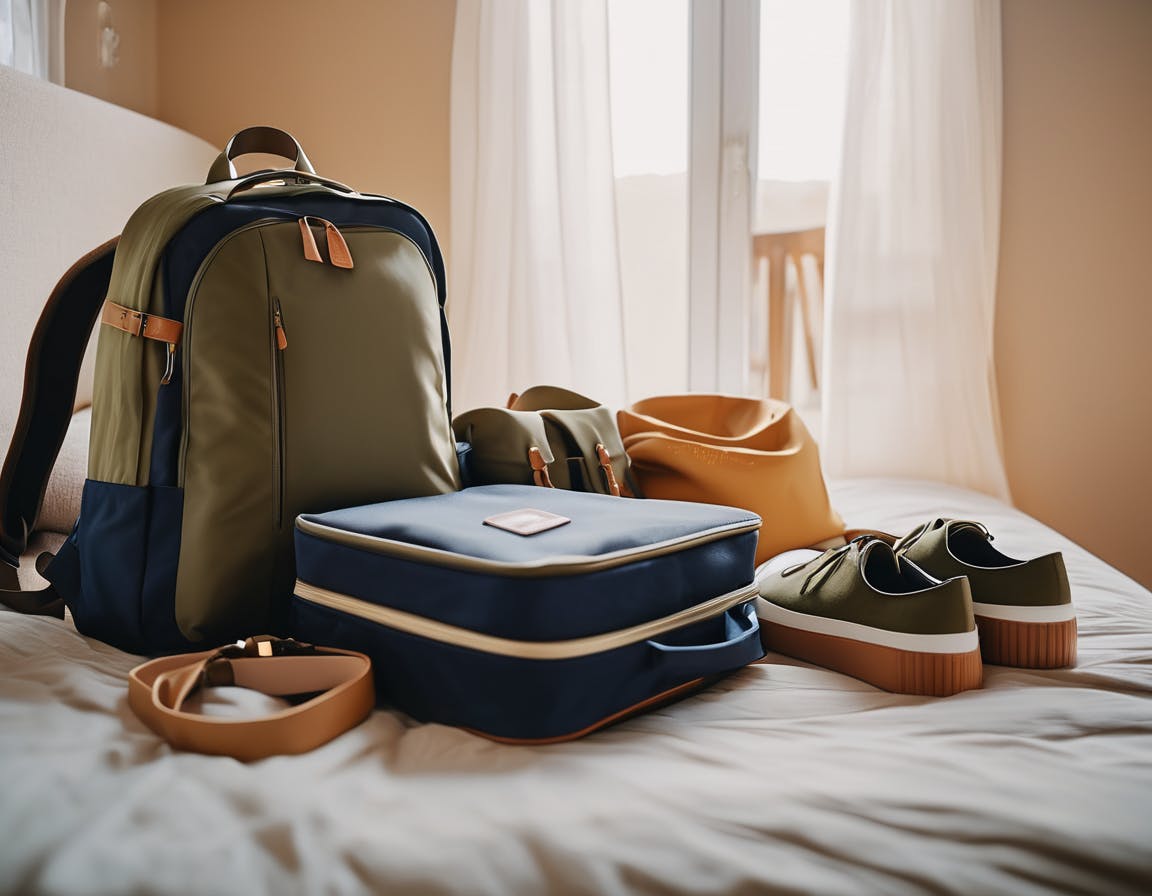
There are two kinds of travellers. Those who move through the airport as though they’ve done this before. And those conducting an emergency excavation for their passport while the queue watches politely.
The difference is rarely personality. It is usually preparation — and more specifically, the bag.
The best carry-on backpack for women is not simply cabin-sized. It is structured, balanced and designed for real travel days. When internal organisation works properly, everything becomes easier: packing, airport security, transfers and hotel arrivals.
What Makes the Best Carry-On Backpack for Women?
A carry-on backpack should support movement, not hinder it. Before choosing one, consider the practical realities of travel rather than marketing claims.
1. Cabin-Approved Dimensions
Most airlines allow hand luggage within specific size limits. A well-designed cabin backpack fits within standard requirements while maximising usable space.
2. Structured Internal Organisation
The best carry-on backpack for women includes multiple compartments for clothing, electronics, toiletries and documents. When everything has a defined place, packing becomes systematic rather than reactive.
3. Dedicated Laptop Compartment
Separate, padded storage for a laptop improves both protection and airport efficiency. Removing electronics at security should not require unpacking half your wardrobe.
4. Clamshell Opening
A full-zip opening allows the backpack to lie flat like a suitcase. This improves packing precision and makes repacking between destinations significantly easier.
5. Comfortable Carry System
Padded shoulder straps, breathable back panels and balanced weight distribution prevent strain during longer travel days.
Why Organisation Is More Important Than Capacity
It is tempting to choose the largest possible bag within cabin limits. However, increased volume often encourages overpacking.
An organised 38-litre backpack frequently performs better than an unstructured 45-litre one. The goal is not volume. The goal is accessibility.
When your passport, charging cables and toiletries each have assigned locations, travel days feel controlled rather than chaotic.
Backpack vs Carry-On Suitcase
For independent travellers, mobility matters. A carry-on backpack allows:
- Hands-free movement through airports
- Easier navigation of train platforms and stairs
- Greater flexibility on uneven surfaces
- Compact storage in overhead compartments
A small suitcase offers rigid structure but can become inconvenient on cobbled streets or crowded public transport.
For travellers who prioritise efficiency and fluid movement, a structured carry-on backpack often provides the better solution.
Choosing the Right Size for Your Trip
Trip length influences ideal capacity:
- 2–3 days: 30–35 litres with efficient packing
- 4–5 days: 35–40 litres
- 6–7 days: 38–45 litres with strong internal organisation
Pairing your backpack with smart packing systems — such as compression cubes or clothing capsules — reduces unnecessary bulk.
Features That Improve Airport Efficiency
The best carry-on backpack for women should support airport transitions.
- Quick-access pocket for passport and boarding pass
- Separate liquids pouch storage
- External laptop access
- Secure internal zip sections for valuables
Airport security is smoother when your bag layout anticipates the process.
Common Mistakes When Choosing a Carry-On Backpack
- Choosing style over structure
- Ignoring strap comfort
- Overestimating packing needs
- Selecting heavy materials
- Relying on one large internal compartment
The best carry-on backpack for women works quietly in the background. It supports rather than competes for attention.
Who Benefits Most from a Carry-On Backpack?
This style of luggage suits:
- Solo travellers and independent planners
- Business travellers carrying electronics
- City-break travellers moving frequently
- Women who prefer carry-on-only travel
It is not about minimalism trends. It is about organised efficiency.
Final Thoughts
The best carry-on backpack for women balances comfort, structure and cabin compatibility. It turns packing into a repeatable system and travel days into manageable routines.
When your bag is organised, you are organised. And that changes everything.