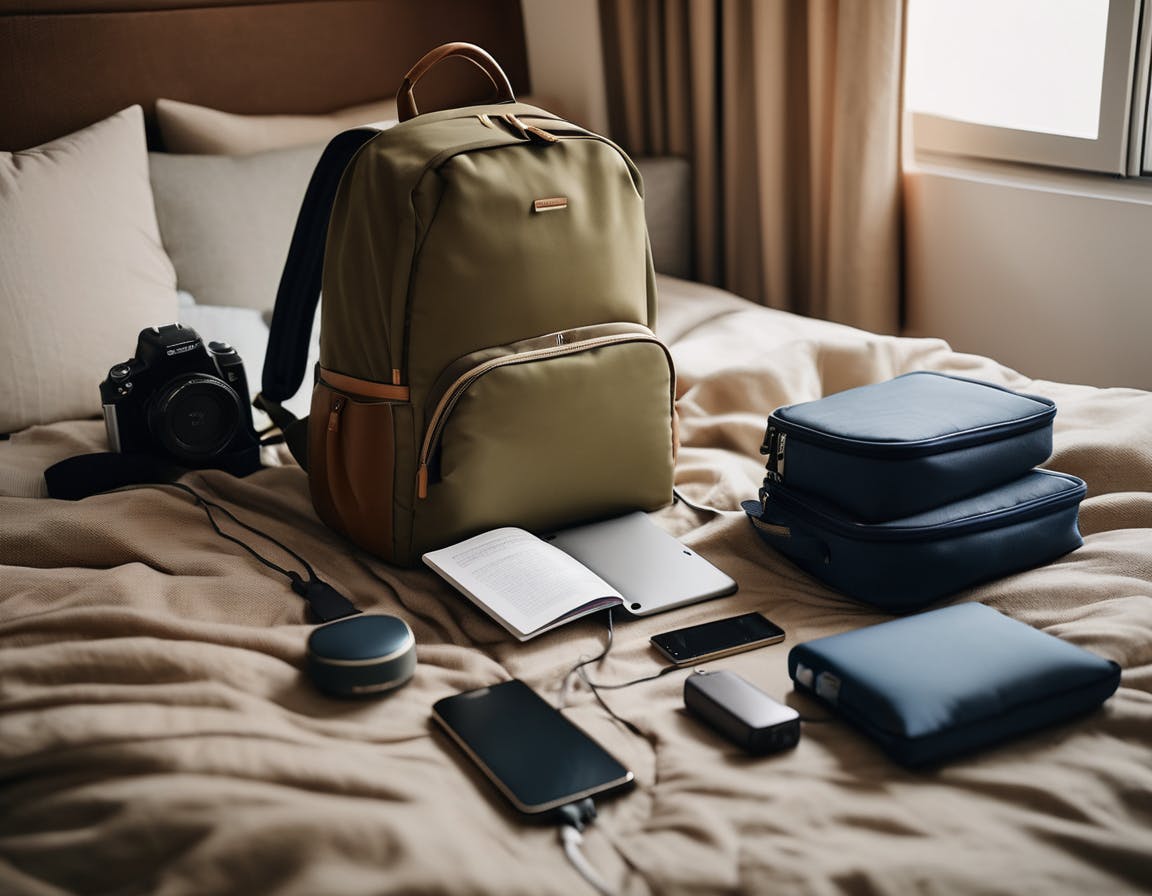
Every airline promises clarity. Then you arrive at the gate and someone’s “personal item” looks suspiciously like weekend luggage.
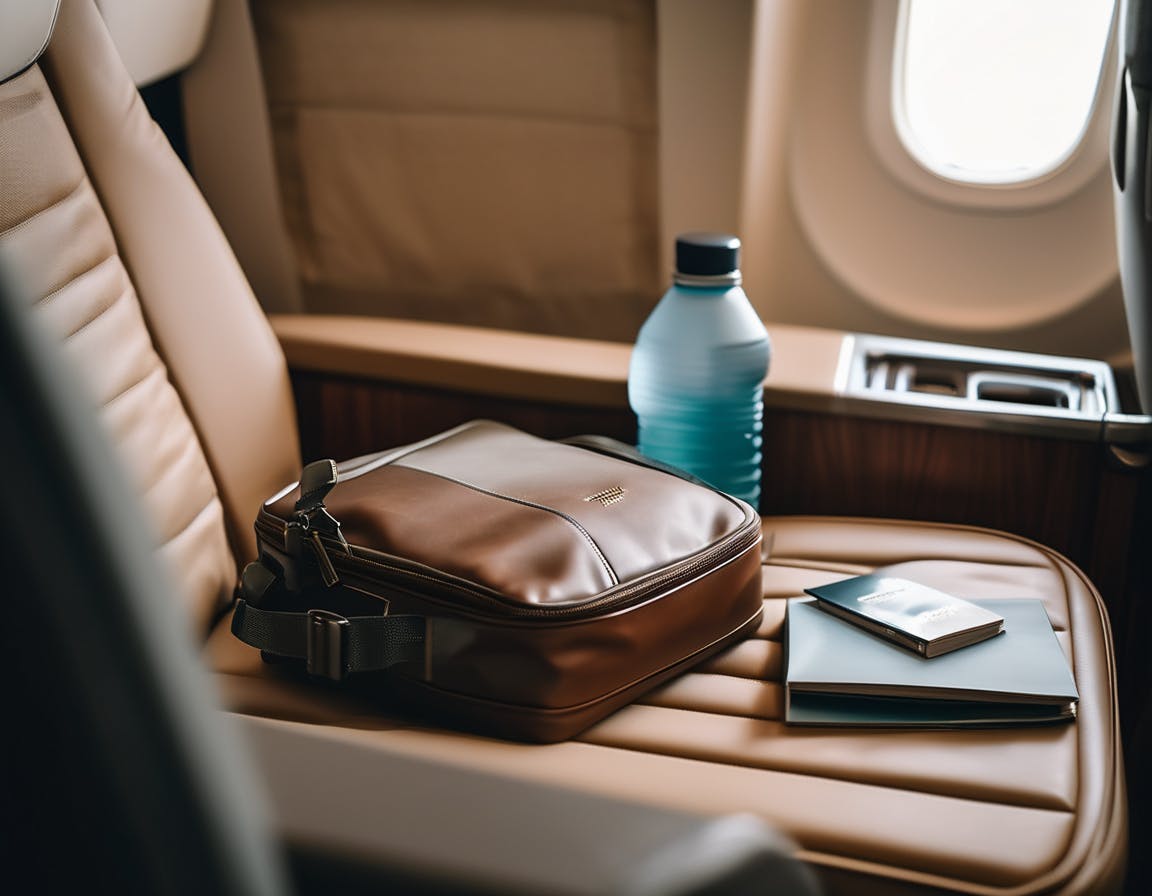
The best personal item bag for flights fits comfortably under the seat, keeps essentials accessible and complies with airline cabin rules — without requiring optimism or negotiation.
A well-chosen under-seat bag transforms short-haul and long-haul flights alike.
What Is a Personal Item on a Flight?
A personal item is the smaller bag allowed in addition to carry-on luggage. It must fit beneath the seat in front of you.
Common examples include:
- Compact backpack
- Structured tote
- Small travel bag with compartments
Airline size allowances vary, but most limit personal items to dimensions suitable for under-seat storage.
What Size Should a Personal Item Bag Be?
Although dimensions differ slightly by airline, a typical guideline is approximately:
- Height: 40 cm or less
- Width: 30 cm or less
- Depth: 15–20 cm
Always confirm with your airline before departure. Cabin policies evolve.
Features of the Best Personal Item Bag for Flights
1. Structured Compartments
Loose interiors encourage clutter. Multiple compartments maintain order for travel documents, electronics and comfort items.
2. Slim Profile
A bag that bulges unpredictably may not slide neatly under the seat.
3. Lightweight Construction
Some airlines impose combined cabin weight limits. A lighter personal item leaves more allowance for essentials.
4. Quick-Access Pocket
Passport, boarding pass and phone should be reachable without opening the main compartment.
5. Secure Closures
Zipped sections protect valuables during boarding and transit.
What Should You Pack in a Personal Item Bag?
Your personal item should hold essentials required during the flight.
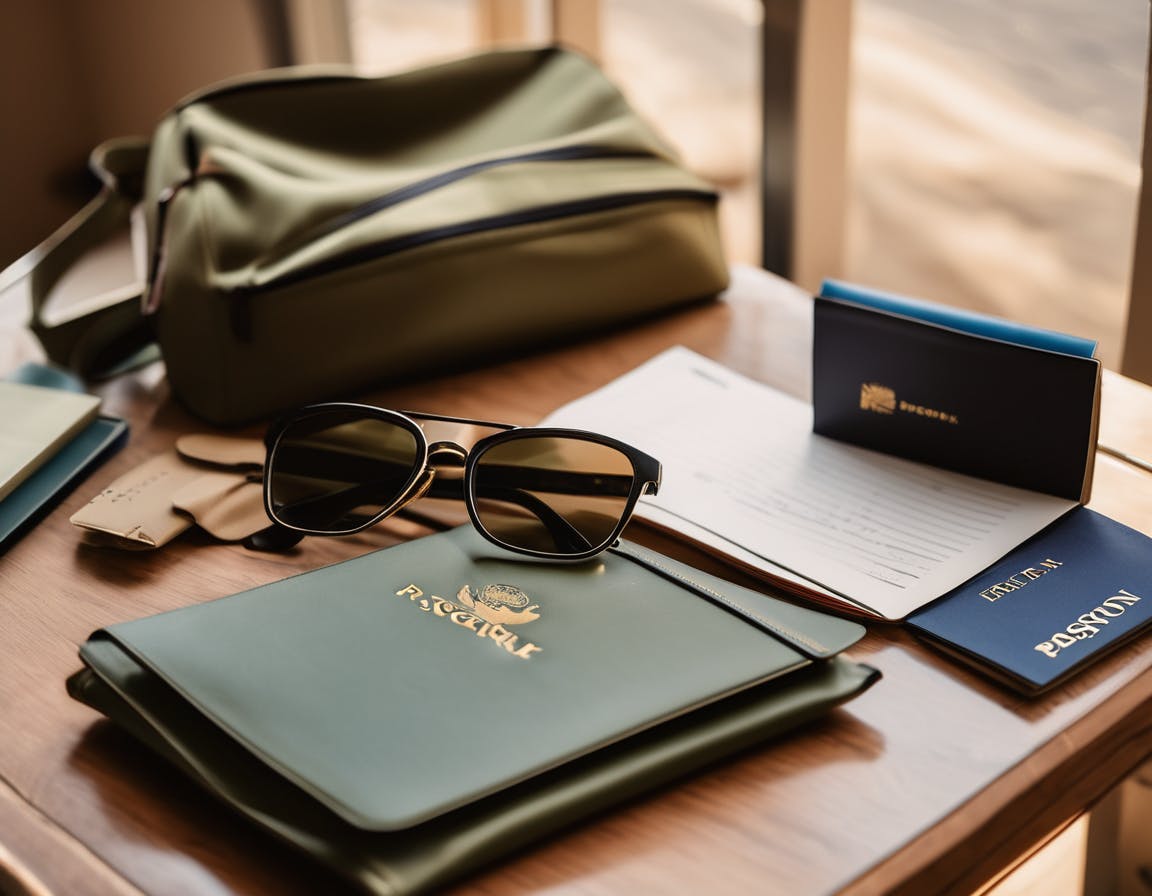
- Passport and travel documents
- Phone and charger
- Headphones
- Small toiletries pouch
- Lightweight scarf or cardigan
- Medication
- Book or tablet
Think of it as your in-flight survival kit.
(Related: How to Organise a Travel Backpack)
Backpack vs Tote as a Personal Item
Backpack
- Hands-free movement
- Balanced weight distribution
- Often includes laptop sleeve
Tote
- Easy access from above
- Structured silhouette
- Suitable for lighter loads
For travellers carrying electronics or heavier essentials, a compact backpack often proves more comfortable.
People Also Ask
Does a personal item have to fit completely under the seat?
Yes. Airlines require personal items to fit fully under the seat in front of you during take-off and landing.
Can a backpack count as a personal item?
Yes, provided it meets airline size restrictions and fits beneath the seat.
What happens if my personal item is too big?
You may be required to check the bag or pay an additional fee at the gate.
Is a handbag considered a personal item?
Yes, if it fits within the airline’s size guidelines.
Common Mistakes When Choosing a Personal Item Bag
- Ignoring airline dimensions
- Overfilling flexible totes
- Choosing style over structure
- Packing non-essential items
- Failing to balance weight
The best personal item bag for flights should support your journey quietly and efficiently.
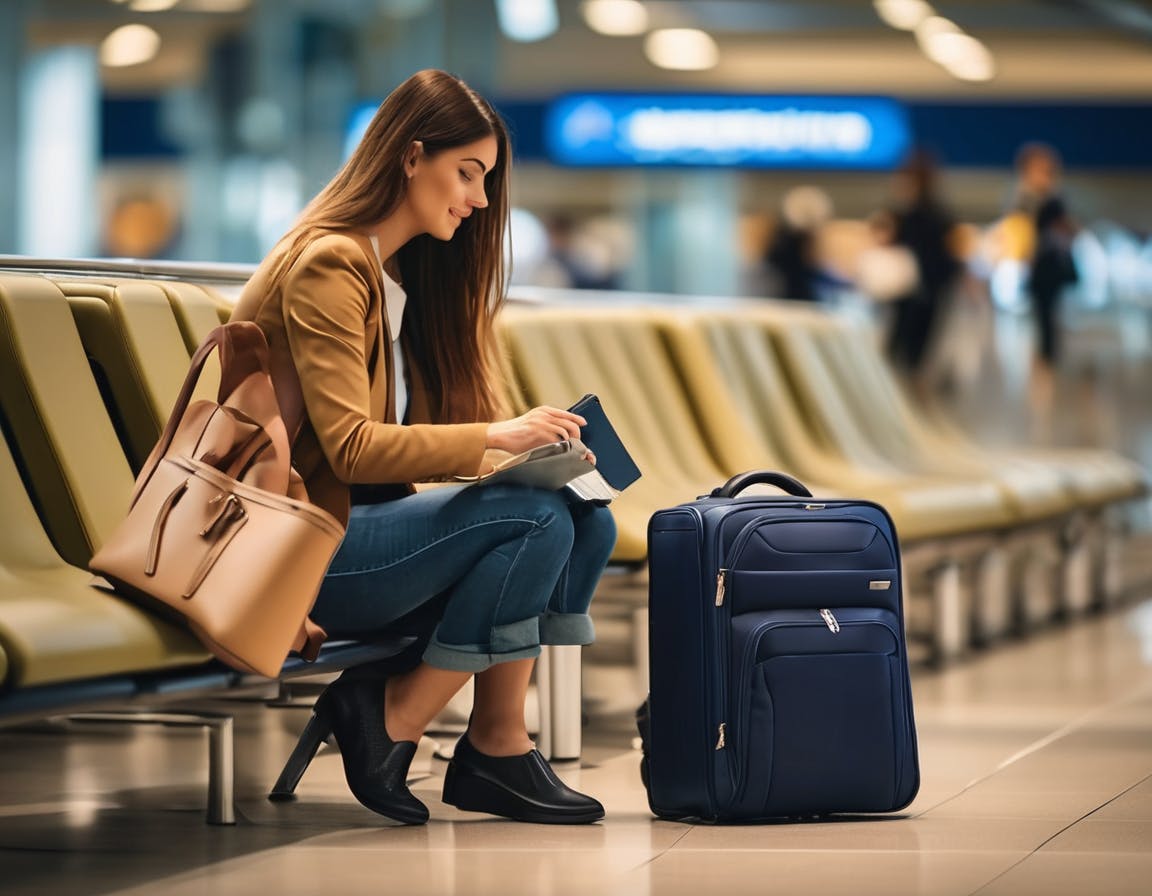
How Personal Item Bags Fit into a Carry-On System
Your personal item works best when paired strategically with your main carry-on.
The backpack or suitcase holds clothing. The personal item manages in-flight necessities.
Separating these roles prevents unnecessary unpacking mid-flight.
(Related: Best Carry-On Backpack for Women)
Final Thoughts
The best personal item bag for flights balances compliance, organisation and accessibility. It should fit without force, protect essentials and simplify boarding.
When your under-seat bag is structured, the flight feels calmer from take-off to landing.